








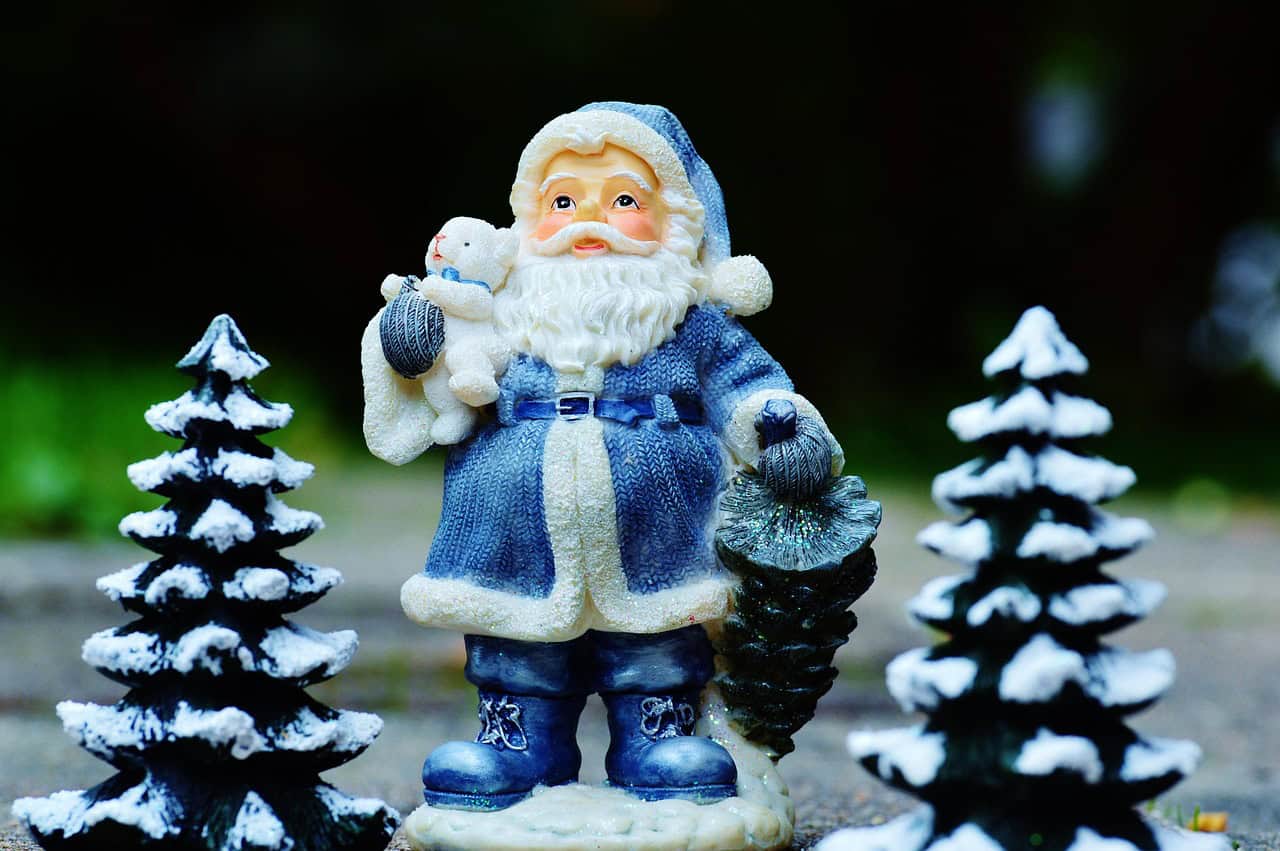
Santa Claus—also known as Saint Nicholas, Kris Kringle, or simply Santa—is one of the most iconic figures in the world. Whether you believe he lives at the North Pole or flies across the globe in a magical sleigh, Santa remains the heart of Christmas joy and childhood wonder. But behind the red suit, snowy beard, and booming “Ho Ho Ho,” there are some surprising facts that many people don’t know.

In this article, we explore the Top 10 Most Fascinating Facts About Santa Claus—covering his origins, evolution, traditions, and the global influence he continues to have today. This article is fully SEO-optimized and written for maximum AdSense friendliness.
1. Santa Claus Originated From a Real Person: Saint Nicholas
Most people know Santa as a magical Christmas figure, but very few know that his story began with a real person.
Saint Nicholas, a Christian bishop from Myra (modern-day Turkey) in the 4th century, was known for his generosity, kindness, and secret gift-giving.
What made him famous?
- He gave away his inherited wealth to help the poor.
- He secretly helped families in need by leaving coins and gifts.
- Many miracles are attributed to him, earning him the title “Nicholas the Wonder-worker.”
Over time, stories of his kindness inspired the modern concept of Santa Claus.

2. Santa’s Name “Santa Claus” Comes From the Dutch Word “Sinterklaas”
The evolution of the name “Santa Claus” is quite interesting. When Dutch settlers arrived in America in the 1600s, they brought with them the tradition of Sinterklaas—a festive figure who delivered gifts on December 5th.
How the name changed
- “Sinterklass” slowly transformed into “Santa Claus.”
- American culture reshaped this character into the jolly Christmas figure we know today.
This transformation shows how cultural blending shaped one of the world’s most beloved icons.

3. The Modern Santa Claus Look Was Popularized by Coca-Cola
Although many legends contributed to Santa’s appearance, the modern image—red suit, white beard, black boots, and cheerful expression—became globally famous after Coca-Cola’s 1931 Christmas advertising campaign.
Before Coca-Cola
- Santa was sometimes shown wearing green, blue, or even brown.
- His size and personality varied widely in illustrations.
After Coca-Cola
- Santa became standardized as a jolly, plump, warm-hearted old man in a red suit.
- This image became universally accepted and remains unchanged today.
Coca-Cola didn’t create Santa—but they definitely made him world-famous.

4. Santa Claus Lives at the North Pole—But That’s Not How It Started
Santa’s home at the North Pole is a modern invention. In early tales, Saint Nicholas lived in Turkey, then Europe. So how did the North Pole become his official address?
The transformation happened in the 1800s:
- Writers like Thomas Nast, a cartoonist, depicted Santa living in a snowy, magical place.
- The cold, unreachable North Pole became the perfect home for a character who delivers gifts to the entire world.
Today, “North Pole, Alaska” even receives thousands of letters addressed to Santa every year!
5. Santa’s Reindeer Names Come From an 1823 Poem
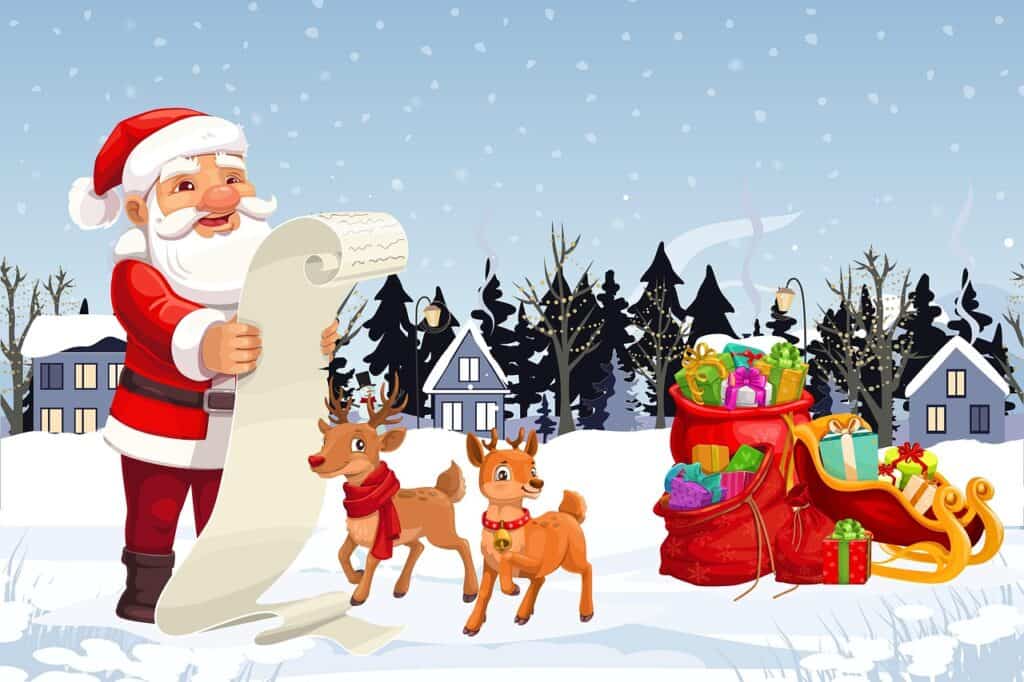
The names of Santa’s reindeer—Dasher, Dancer, Prancer, Vixen, Comet, Cupid, Donner, and Blitzen—come from the famous poem “A Visit from St. Nicholas” (also known as “The Night Before Christmas”).
Fun fact:
- Donner and Blitzen originally meant “Thunder” and “Lightning” in German.
- Rudolph, the most famous reindeer, wasn’t added until 1939 by Montgomery Ward in a promotional story.
Rudolph’s red nose became a symbol of leadership and uniqueness.
6. Santa Has a Wife—Mrs. Claus—But She Was Added Much Later
Mrs. Claus is a beloved character today, but she didn’t appear until the mid-1800s, long after Santa’s legend was established.
Her first appearance
- She appeared in a short story titled “A Christmas Legend.”
- Popular culture embraced her as Santa’s kind, supportive partner.
Today, Mrs. Claus is seen as the heart of Santa’s workshop and a symbol of warmth and family.
7. Santa Travels Approximately 300 Million Miles in One Night
One of the most astonishing facts about Santa Claus is the speed and distance required to deliver gifts worldwide.
Let’s break it down:
- Santa visits over 90 million homes.
- He has 31 hours to deliver gifts due to time zones.
- He must travel around 300 million miles at incredible speeds.
Scientifically impossible—but magically perfect!
Many people track Santa’s journey using the NORAD Santa Tracker, which has become a Christmas tradition.
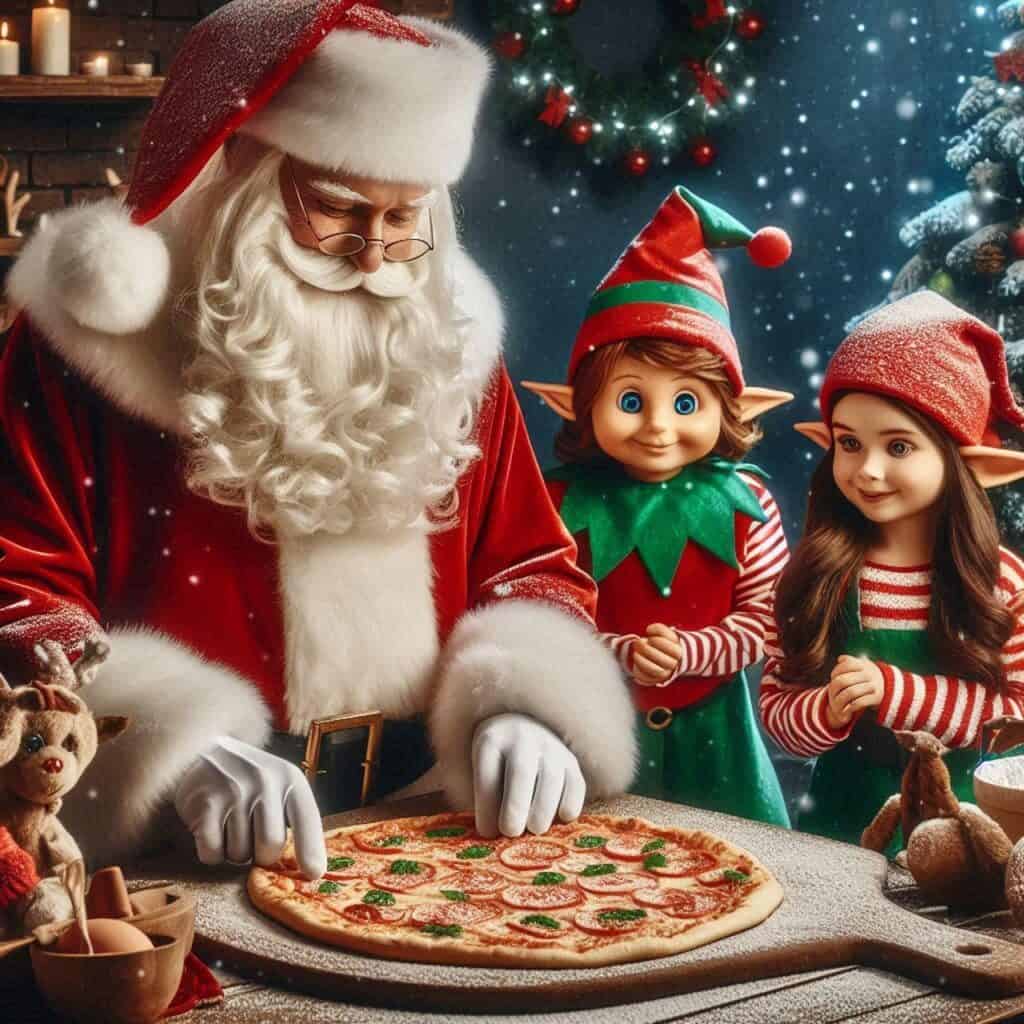
8. Santa Claus Doesn’t Look the Same in Every Country
While the U.S. version of Santa is globally famous, different cultures have their own versions of the gift-giver.
Examples worldwide:
- United Kingdom: Father Christmas
- Germany: Weihnachtsmann
- Italy: La Befana (a friendly holiday witch)
- Iceland: Yule Lads (13 mischievous gift-giving brothers)
- Finland: Joulupukki (Christmas Goat-Man)
These versions highlight how every society adds its own flavor to the festive tradition.
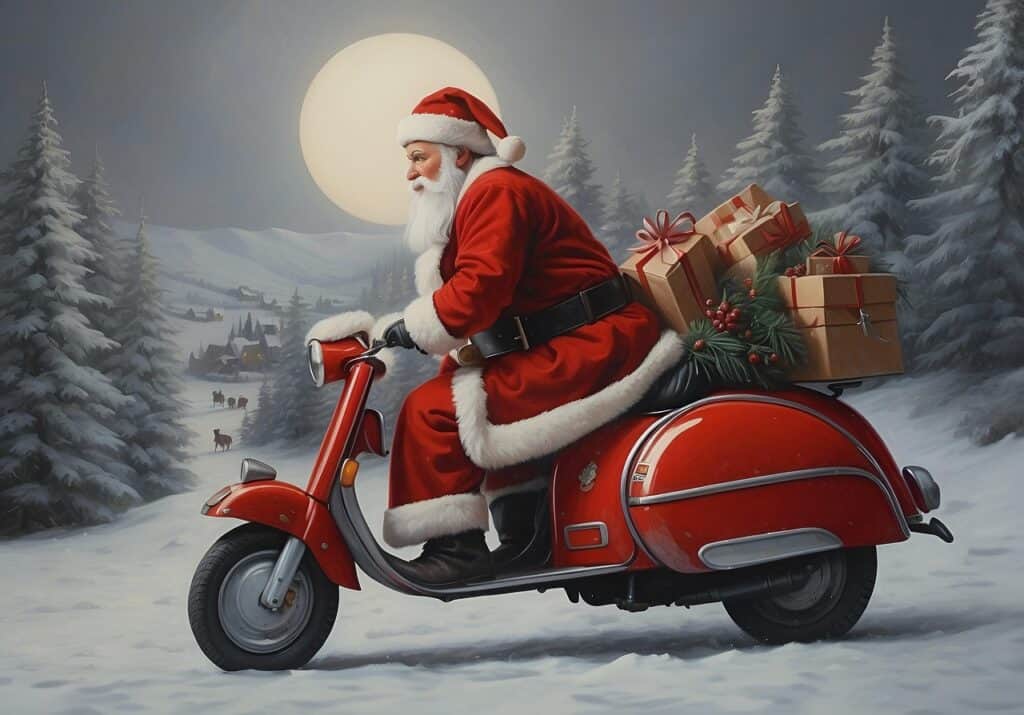
9. Santa’s Workshop Is Believed to Be Run by Elves
Elves didn’t enter Christmas tradition until the 1800s, but now they are essential to Santa’s story.
Why elves?
- They represent magic, creativity, and joy.
- They help Santa build toys, prepare the sleigh, and manage letters from children.
- Popular movies like Elf, The Christmas Chronicles, and The Santa Clause expanded their role in modern culture.
Elves symbolize teamwork and the magic behind Christmas preparations.
10. Santa Receives Millions of Letters Every Year
Every Christmas season, children worldwide send letters filled with wishes, drawings, and dreams.
Where do letters go?
- North Pole, Alaska
- Santa Claus, Indiana
- Canada’s “Santa Claus North Pole HOH OHO”
- Finland’s Santa Claus Village receives over half a million letters annually.
Many postal services even reply to these letters, keeping the magic alive for children.

Why Santa Claus Remains Timeless
Even in a modern world filled with technology, Santa Claus remains incredibly popular. But why?
1. He represents generosity
Santa’s biggest message is kindness—giving without expecting anything in return.
2. He brings families together
From decorating the Christmas tree to waiting for Santa’s arrival, the tradition creates bonding moments.
3. He keeps childhood wonder alive
Believing in magic, even for a few years, builds imagination and joy in children.
4. He evolves with society
From early religious stories to modern movies and advertisements, Santa constantly adapts while keeping his core message intact.

Conclusion: The Magic of Santa Lives On
Santa Claus is more than a Christmas symbol—he is a global cultural icon shaped by centuries of stories, traditions, and creativity. From his origins as Saint Nicholas to his modern portrayal as a cheerful gift-giver living at the North Pole, Santa continues to inspire joy and excitement.
Whether you’re a child writing letters or an adult cherishing memories, Santa’s spirit of giving, kindness, and warmth is something the world always needs.
The legend of Santa Claus will continue to live for generations, reminding us that magic exists wherever there is love, generosity, and hope.










+ There are no comments
Add yours