








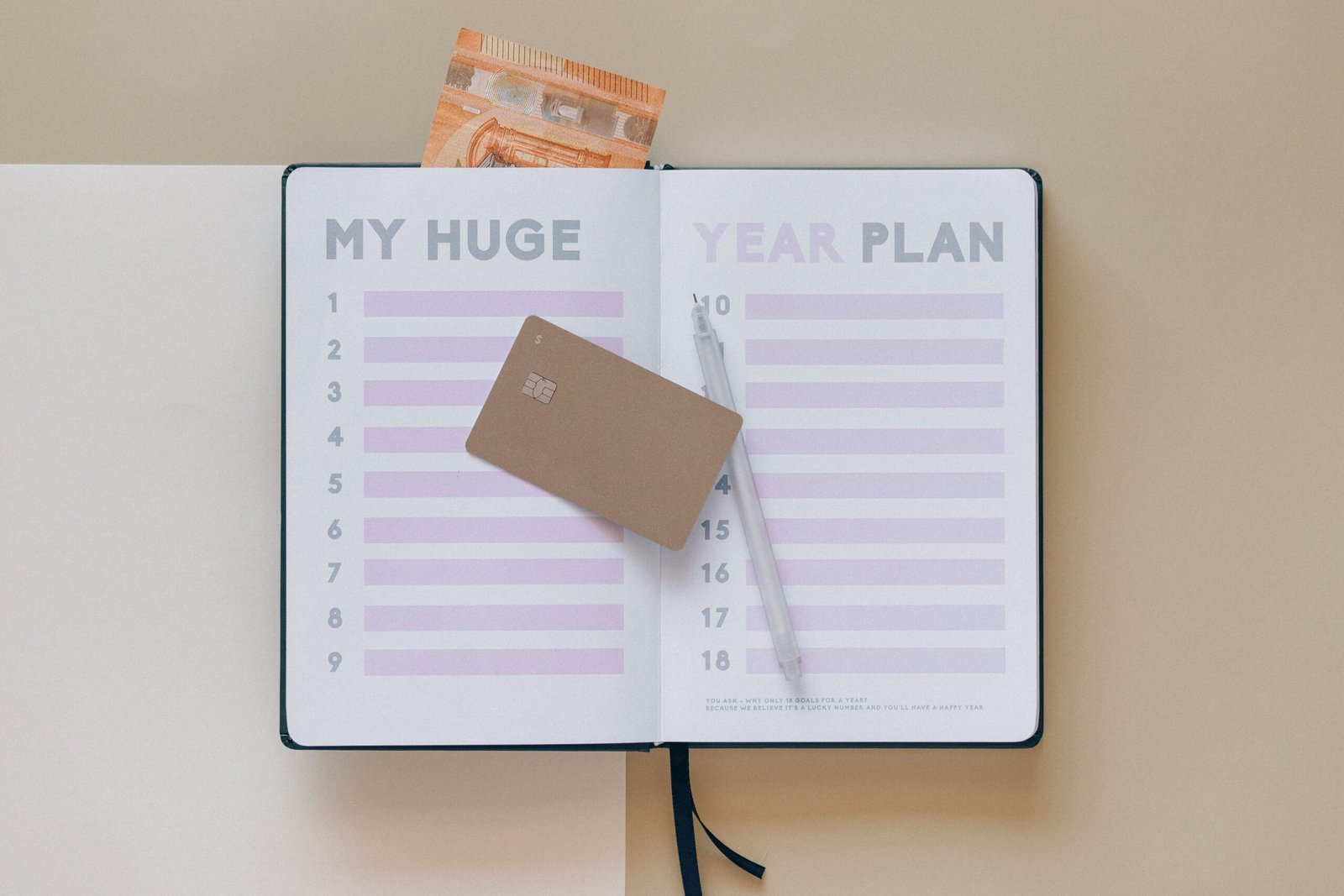
If you’ve spent any time on TikTok or Instagram lately, you’ve probably seen it: people posting simple, scrollable lists titled “26 for 2026” — a mix of small wins, weird personal quirks, and genuinely doable goals for the year ahead. No five-year plans. No “become a millionaire by June.” Just real, human, slightly messy lists that feel achievable.
Now that we’re moving deeper into 2027, the trend is evolving right along with the calendar: 27 for 2027. And honestly? It might be the most refreshing approach to goal-setting we’ve seen in years.
In this post, we’ll break down exactly what this trend is, why it’s resonating with so many people, and how you can create your own “27 for 2027” list that actually sticks — instead of ending up abandoned in a notes app by February.
What Exactly Is the “27 for 2027” Trend?

The idea is simple. Instead of picking one massive, intimidating New Year’s resolution (the kind that usually gets abandoned within a few weeks), you create a list of 27 goals — one for each… well, honestly, the number is more symbolic than strict. The magic isn’t in hitting an exact count. It’s in the mix.
A typical list blends:
Ambitious-but-realistic goals — “Save $3,000,” “Run a half marathon,” “Learn basic conversational Spanish”
Tiny life upgrades — “Finally organize the pantry,” “Change my phone wallpaper monthly,” “Drink more water”
Slightly weird, deeply personal goals — “Learn to whistle with two fingers,” “Try one new recipe a month,” “Text an old friend I miss”
What makes this format so appealing is that it removes the pressure of perfection. You’re not committing to one all-or-nothing transformation. You’re building a flexible menu of intentions — some big, some small, some just plain fun.
Why This Goal-Setting Style Is Actually Working

Traditional resolutions fail for a predictable reason: they’re too big, too vague, and too joyless. “Get healthy” or “be more productive” sound nice, but they don’t tell your brain what to actually do tomorrow morning. When a goal feels overwhelming, motivation collapses fast — usually within the first few weeks of January.
The 27-for-2027 approach flips that script in three important ways.
1. It lowers the emotional stakes. When you have 27 goals instead of one, no single item carries all the pressure. Miss one? No big deal — you’ve still got 26 others moving forward. This built-in flexibility makes it far easier to stay consistent, because failure at one goal doesn’t feel like failure at everything.
2. It mixes seriousness with joy. Not every goal needs to be about self-optimization. Including fun, low-stakes items (like learning a card trick or trying a new coffee order every week) keeps the whole exercise feeling human instead of like a performance review. This balance is a big part of why the trend feels so different from typical New Year hustle culture.
3. It focuses on identity, not just outcomes. Many of the goals in a good “27 for 2027” list aren’t really about the end result — they’re about becoming the kind of person who does that thing. Reading one page a night isn’t really about finishing 27 books. It’s about becoming a person who reads. That subtle shift makes habits stick far longer than outcome-only goals do.
How to Build Your Own “27 for 2027” List

Ready to make your own? Here’s a simple framework to build a list that’s realistic, motivating, and genuinely fun to revisit throughout the year.
Step 1: Brain-Dump Without Judgment
Grab a notebook or open a blank note on your phone. Set a timer for 10 minutes and write down every goal, big or small, that comes to mind. Don’t edit yet — just capture everything. Career goals, health goals, weird bucket-list items, tiny habits you’ve been meaning to build. Nothing is too small or too silly at this stage.
Step 2: Sort Into Three Categories
Once you have a messy list, organize it into three buckets:
- Big Wins — meaningful goals that require sustained effort (saving money, a fitness milestone, learning a new skill)
- Small Upgrades — quick, low-effort changes that improve daily life (better sleep habits, tidier space, healthier snacks)
- Just-for-Fun — things with zero productivity purpose, purely for joy (trying a new hobby, revisiting an old TV show, learning a fun fact each week)
A well-balanced list usually has a healthy mix of all three — heavy on Big Wins alone tends to feel like a chore, while all Just-for-Fun items can feel unfocused.
Step 3: Make Each Goal Specific Enough to Act On

Vague goals are motivation killers. Instead of “read more,” try “read for 15 minutes before bed.” Instead of “get in shape,” try “walk 20 minutes, four times a week.” The goal doesn’t need to be complicated — it just needs to be clear enough that you know exactly what to do without overthinking it.
Step 4: Make It Visual
Part of why this trend spreads so well online is presentation. People turn their lists into colorful graphics, bullet journal spreads, or simple numbered notes-app screenshots. You don’t need to post yours publicly, but making it visually appealing — even just for yourself — increases the chance you’ll actually look at it again in June instead of forgetting it exists.
Step 5: Revisit Monthly, Not Just in January
The biggest reason most New Year’s goals fail isn’t lack of ambition — it’s lack of follow-up. Set a recurring reminder on the first of each month to glance at your list. Cross off what’s done, adjust what’s not working, and add new items if inspiration strikes. Goals are allowed to evolve; a list that stays exactly the same all year usually means it’s been forgotten, not completed.
Sample “27 for 2027” Ideas to Get You Started
If you’re staring at a blank page, here are a few starter ideas across different areas of life:
- Save a specific dollar amount by December
- Cook one new recipe every month
- Walk or move for at least 20 minutes daily
- Read 12 books this year
- Text one old friend you’ve lost touch with
- Learn 50 words in a new language
- Declutter one drawer, closet, or room each month
- Try a new coffee shop or restaurant once a month
- Write one sentence in a journal every night
- Take a photo of something beautiful once a week
- Limit phone scrolling after 10 p.m.
- Learn a simple new skill (whistling, a card trick, basic knots)
- Send a handwritten card to someone once a quarter
Mix and match, add your own, and remember — the goal isn’t to check every single box perfectly. It’s to build a year filled with small, meaningful intentions instead of one giant, overwhelming resolution.
Final Thoughts: Progress Over Perfection

The reason “27 for 2027” resonates so strongly is that it mirrors how real change actually happens — not through one dramatic overhaul, but through dozens of small, consistent choices stacked over time. It gives you permission to aim high in some areas while keeping things light and playful in others.
So instead of picking one resolution you’ll likely abandon by February, try building your own list of 27. Mix the ambitious with the silly, the productive with the purely joyful. By the time next December rolls around, you might be surprised at just how much a flexible, human approach to goal-setting can help you actually follow through.
Here’s to a year built on intention, not pressure — one small win at a time.








+ There are no comments
Add yours