







It started with a video I couldn’t stop thinking about.
Someone was standing under a shower, visibly gasping, arms crossed over their chest, laughing through what looked like genuine discomfort — and swearing it was the best part of their day. I remember thinking: that looks miserable. Why would anyone do that on purpose?
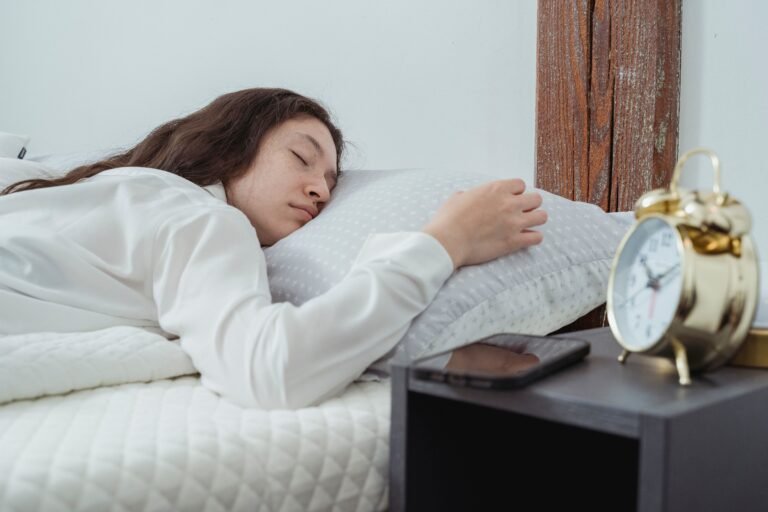
A few weeks later, after another rough night of restless sleep and a morning where I hit snooze four times, I figured I had nothing to lose. I turned the shower dial all the way to cold and stood there for thirty seconds, cursing under my breath the entire time.
That was Day 1. I didn’t expect to still be doing it a month later.
Why Cold Showers Are Suddenly Everywhere
Cold exposure isn’t new — Scandinavian cultures have used cold plunges for generations, and athletes have used ice baths for recovery for decades. But it’s had a real resurgence lately, partly thanks to wellness influencers, partly thanks to a growing pile of research on cold exposure and the nervous system.
Unlike some wellness trends that require equipment, subscriptions, or a special diet, this one only costs a working shower and a willingness to be uncomfortable for a few minutes. That accessibility is probably why it caught on so fast.
Week One: The Shock Phase
I won’t sugarcoat it — the first few days were rough. My routine was simple: shower as normal, then turn the water to fully cold for the last 30-60 seconds. Every single morning, my body reacted the same way: a sharp inhale, tensed shoulders, and an overwhelming urge to jump out.
What surprised me was how mental the battle was. The water itself wasn’t dangerous or even that unbearable once I was in it for ten seconds. The hardest part was the two seconds before turning the dial, when every instinct in my body said “don’t.”
By day four or five, something interesting happened — I started noticing that the version of me who could stand there and breathe through the cold water felt different than the version of me who hit snooze and avoided discomfort. It wasn’t dramatic. It was just a small, quiet sense of “I did something hard before 7 a.m.”
Week Two: The Alertness Nobody Warns You About
This is where I stopped needing my second cup of coffee just to feel human.
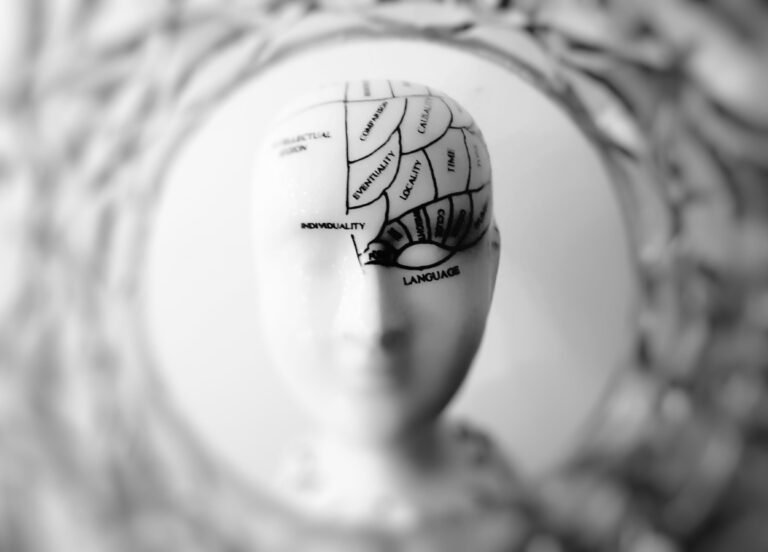
Cold water exposure triggers a surge of norepinephrine, a hormone and neurotransmitter that plays a major role in alertness, focus, and mood regulation. Research on cold water immersion has found that even brief exposure can significantly increase norepinephrine levels in the bloodstream, which may explain the immediate, almost electric sense of wakefulness that follows a cold shower.
I felt it. Within seconds of the cold hitting, my brain fog from the night before would evaporate. It wasn’t caffeine-jittery — it was a cleaner kind of alert, like someone had turned the contrast up on the morning.
My afternoon crash also seemed to show up later than usual, similar to what I’d noticed during an earlier month of daily walking. Whether that was the cold showers alone or the combination of both habits, I can’t say for certain — but the pattern was consistent enough that I started looking forward to it.
Week Three: Stress Response Starts to Shift
By the third week, the anticipation dread had mostly disappeared. I still didn’t love the first ten seconds, but my body had clearly adapted.
This is also when I noticed a change in how I handled stress outside the shower. Small annoyances — a slow reply from a client, traffic, a notification at the wrong time — didn’t spike my irritation the way they used to.
There’s a plausible explanation for this. Repeated, controlled exposure to a mild stressor (like cold water) may train the nervous system to regulate its stress response more efficiently over time, a concept researchers refer to as hormetic stress. In simple terms: small, manageable doses of stress can make your system more resilient to bigger stress later, similar to how lifting weights creates small muscle tears that heal back stronger.
I also noticed my skin looked less puffy in the mornings, which lines up with cold water’s effect on constricting blood vessels near the surface of the skin — a temporary effect, but a nice one before a Monday morning meeting.
Week Four: It Stopped Feeling Like a Challenge
By the final week, the cold shower wasn’t something I white-knuckled through anymore. It had quietly become just… part of the morning, the same way brushing my teeth is part of the morning.
The biggest shift wasn’t physical anymore — it was psychological. Thirty days of doing something uncomfortable on purpose, every single day, without skipping, built a kind of proof-of-concept for my own follow-through. If I could do this consistently, what else had I been avoiding for no good reason?
That’s the part nobody really warns you about with cold showers: the water is almost beside the point. What you’re actually training is your relationship with discomfort itself.
What the Research Actually Says
Cold exposure research is still a growing field, but a few consistent findings show up across studies:
– Increased alertness and mood — Cold water immersion has been linked to short-term increases in norepinephrine and dopamine, which are associated with improved mood and focus.
– Stress resilience — Regular, controlled exposure to cold may help the nervous system respond more efficiently to stress over time.
– Circulation benefits — Alternating hot and cold water exposure can support circulation, though most of the strongest evidence here comes from studies on cold water immersion in athletes rather than casual shower use.
– Not a substitute for medical treatment — Cold exposure is not a proven treatment for anxiety, depression, or any diagnosed condition, and people with heart conditions or certain circulatory issues should talk to a doctor before trying it, since sudden cold exposure can temporarily raise heart rate and blood pressure.
Common Mistakes People Make When Starting
Watching so many people quit in the first week made me realize most people don’t fail because cold showers don’t work — they fail because they start wrong. A few things I noticed, both in myself and in others who tried it after hearing about my experience:
Going fully cold on day one. This is the fastest way to quit by day two. Your nervous system needs time to adapt to the shock, and starting too intense too soon just teaches your brain to dread the shower.
Treating it like a punishment. If you stand there gritting your teeth and counting down the seconds like a prison sentence, the mental association you’re building is “this is misery.” Slow breathing and a calmer mindset change the entire experience, even though the water temperature is identical.
Skipping days “just this once.” The habit’s power comes from consistency, not intensity. Two minutes of cold water once a week does far less for your nervous system than thirty seconds every single day.
Doing it at the wrong time. Cold showers right before bed can actually work against you, since the alertness spike works against your body’s natural wind-down process. Morning is when this habit does the most good.
Who Should Be Cautious
Cold exposure isn’t risk-free for everyone. People with heart conditions, uncontrolled high blood pressure, or circulatory issues should talk to a doctor first, since the sudden temperature shock causes a real, measurable spike in heart rate and blood pressure. Pregnant women and people with Raynaud’s disease should also check with a healthcare provider before trying it. For most healthy adults, though, the risk is minimal — the worst-case outcome is usually just an uncomfortable few seconds, not a medical event.
How to Start Your Own Cold Shower Challenge
If this convinced you to try it, here’s what actually worked for me:
1. Start with your normal warm shower first, then finish with 30-60 seconds of cold. Don’t start fully cold on day one — it’s an easy way to quit by day two.
2. Breathe through it, don’t fight it. Slow, controlled breathing through the first 10 seconds makes a bigger difference than gritting your teeth.
3. Increase the cold duration gradually — week one might just be 20 seconds, week four might be a full two minutes.
4. Do it before checking your phone. Like most morning habits, doing it first — before decisions pile up — makes it far easier to stick with.
5. Track it loosely. A simple checkmark on a calendar is enough. You don’t need an app to prove this one to yourself.
Frequently Asked Questions
How long should a cold shower be to see benefits?
Most research on cold water immersion looks at exposures ranging from 30 seconds to a few minutes. You don’t need an ice bath — even 30-60 seconds at the end of a normal shower is enough to trigger the norepinephrine response most people are chasing.
Is it better to take cold showers in the morning or at night?
Morning is generally better for most people. Cold exposure increases alertness, which is useful when you’re trying to wake up, but can work against you if you’re trying to wind down before bed.
Will cold showers actually help me lose weight?
Not significantly on their own. Some research suggests cold exposure can slightly increase calorie burn by activating brown fat, but the effect is small compared to diet and overall activity. Think of it as a mood and focus tool first, not a weight-loss strategy.
Can cold showers replace coffee?
For some people, yes — at least partially. The alertness from cold exposure comes from a different mechanism than caffeine, so many people find the two work well together rather than as a direct replacement.
Final Thoughts
I expected this challenge to be about discomfort. What I didn’t expect was how much it would change my mornings in ways that had nothing to do with temperature — sharper focus, a steadier mood, and a strange but real sense of confidence that came from doing something hard, on purpose, every single day for a month.
You don’t need a cold plunge tub or a fancy setup. You need a shower and thirty seconds of willingness. The only real question is whether you’re willing to find out what the other twenty-nine days feel like.
—
This article is based on personal experience and general research and is not medical advice. If you have a heart condition, high blood pressure, or any circulatory issue, talk to your doctor before trying cold water exposure.
What Happens to Your Body When You Take Cold Showers for 30 Days







+ There are no comments
Add yours