






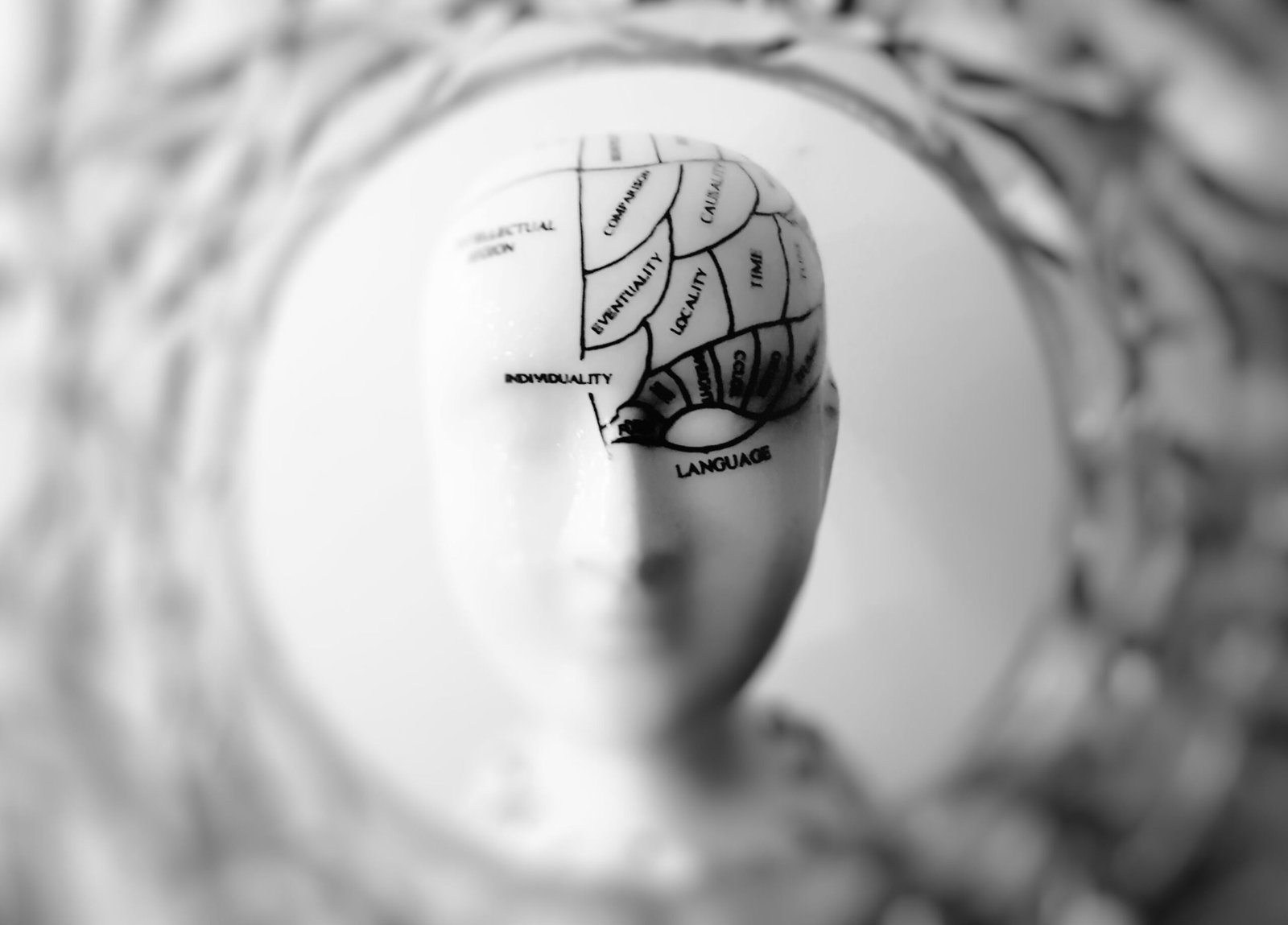
For a long time, the story we told ourselves about depression was fairly simple: a chemical imbalance, mostly involving serotonin, that medication could correct. It’s the explanation most of us grew up hearing, and it shaped how an entire generation understood what was happening inside a depressed brain.
A major new study out of Columbia University is now adding a very different chapter to that story, and it’s been generating serious buzz in both scientific and mental health circles this week. Researchers have found that depression appears to physically stall the brain’s ability to grow new neurons — and that disruption may be sitting at the center of why depression makes it so hard to feel better, even with time.
If you’ve ever wondered why depression can feel less like sadness and more like being stuck, unable to update how you see yourself or your circumstances, this research offers one of the clearest biological explanations yet.
The Study Everyone in Neuroscience Is Talking About
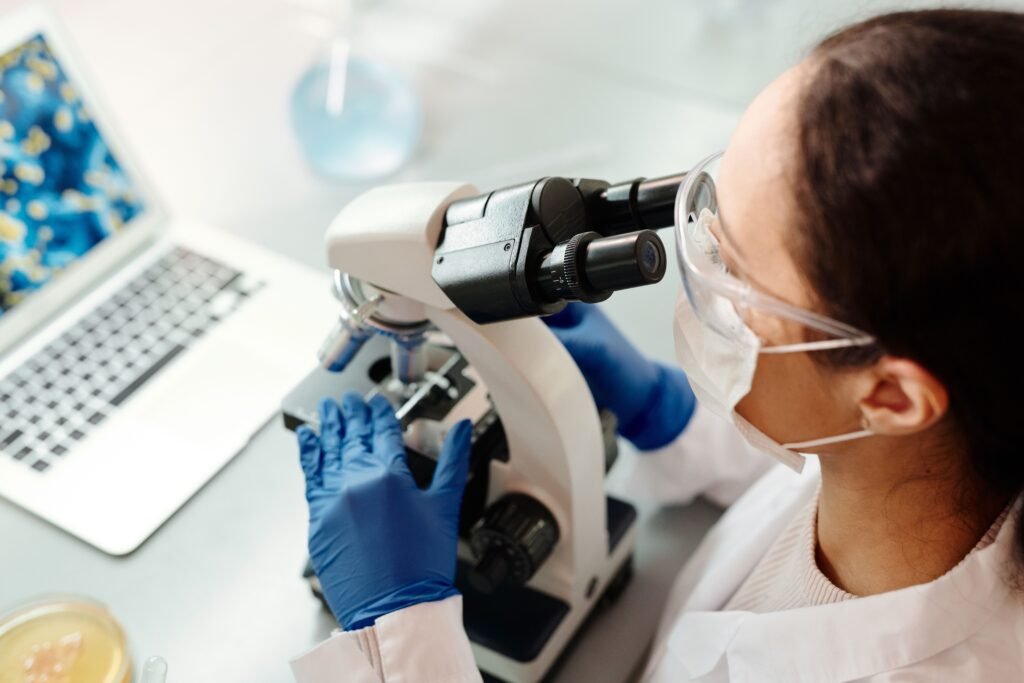
The research, published in Nature Medicine on August 21, 2026, came out of Columbia University Vagelos College of Physicians and Surgeons, led by psychiatry professor Maura Dupont. The team analyzed brain tissue on an enormous scale, examining hundreds of thousands of individual brain cells from people who had major depressive disorder and comparing them to brain tissue from people who didn’t. It stands as one of the most detailed maps ever created of the human adult hippocampus, the brain region responsible for memory and emotional processing.
Here’s the part that reframes how scientists are thinking about depression: most of the roughly 100 billion neurons in your brain were formed before you were even born. But the hippocampus is one of the few regions that keeps producing new neurons throughout adulthood — a process called neurogenesis. It’s a small, steady trickle compared to the neurons you’re born with, but researchers now believe that trickle may be disproportionately important for mental health.
The study found that this neuron-producing process appears to stall in people with major depressive disorder. Researchers also identified specific molecular programs — the genetic instructions controlling how neurogenesis happens — that were disrupted in the depressed brains they studied, including changes in genes involved in how neurons form new connections, generate energy, and transport materials within cells. The hippocampal circuit responsible for building new emotional memories also showed signs of inflammation and cellular stress in people with depression.
Dr. Dupont summarized the shift in thinking directly: depression was historically framed as a problem of neurotransmitter deficiency, but researchers increasingly believe it involves multiple issues affecting how neurons adapt to stress and a changing environment.
Why New Neurons Might Matter So Much for Mental Health

This is the part that makes the study genuinely fascinating rather than just technical. Why would a small number of new neurons in one brain region have such an outsized effect on something as complex as depression?
The answer has to do with a concept researchers call pattern separation. New neurons in the hippocampus appear to be especially responsive to new experiences, which allows them to be woven into fresh memory circuits more easily than older, more established neurons. That matters because it’s what lets your brain store a new memory or experience as genuinely distinct from an old one — rather than blurring the two together.
Without a healthy supply of new neurons, the theory goes, the brain may struggle to separate new experiences from painful past ones. A new disappointment starts to feel indistinguishable from an old wound. A stressful moment gets filed away alongside every other stressful moment that came before it, instead of being processed as its own, separate event.
Dr. Dupont described the consequence plainly: without the ability to create new neurons, people with depression may lack the resilience to effectively adapt to their environment. In other words, this isn’t just about memory in the abstract — it may be part of why depression can make someone feel trapped in old emotional patterns, unable to file new experiences somewhere fresh.
It’s worth noting that scientists caution this research doesn’t operate in isolation. The hippocampus doesn’t work alone; it’s part of a broader circuit involving how episodic memories and their emotional weight get stored and interpreted, and the hippocampus’s role in pushing people to interpret events negatively is thought to work alongside other brain regions involved in depression.
An Important Scientific Caveat Worth Knowing
Not every researcher in the field is reading the findings the same way, and that nuance matters for understanding where the science currently stands. Some neuroscientists examining the results have pointed out that the study did not detect a lower proportion of immature neurons in people with depression compared to the control group — which is what you might expect to see if neurogenesis had been completely halted. That detail suggests the disruption may be more nuanced than a simple on-or-off switch, and researchers are now looking more closely at exactly how and when this neurogenic process becomes affected as depression progresses.
This is normal, healthy scientific debate, not a reason to dismiss the findings. Large, groundbreaking studies like this one typically open more questions than they close, and the back-and-forth happening in the research community right now is part of how the science gets refined and strengthened over time.
What This Could Mean for Future Depression Treatment

Perhaps the most hopeful part of this research isn’t just what it reveals about the depressed brain — it’s what it might mean for how depression gets treated going forward.
Dr. Dupont has suggested that turning neurogenesis back on could become a way to treat depression in some people, essentially by helping to rewire the hippocampal circuit. Identifying the specific molecular programs controlling this process gives researchers concrete targets to investigate for new therapies, rather than relying solely on treatments built around neurotransmitter levels.
This lines up with something researchers have suspected for over two decades: that disrupted neurogenesis could be connected to mood disorders including depression, anxiety, and PTSD. Earlier research in this space has also pointed toward non-pharmacological approaches — including aerobic exercise and certain forms of meditation — as potential ways to support the brain’s natural neurogenesis process, alongside standard treatments like therapy and medication.
None of this means a single new pill or intervention is right around the corner. Translating a discovery like this into an actual treatment usually takes years of additional research. But having a specific biological mechanism to target is a meaningfully different starting point than the field has had before.
Why This Kind of Research Matters Beyond the Lab
There’s something quietly validating about findings like these for anyone who has lived with depression or watched someone they love struggle with it. Depression has long carried an unfair stigma, sometimes dismissed as something a person should simply be able to think their way out of, or push through with enough willpower.
Research like this pushes back on that framing. It shows depression as something with a measurable, physical basis in the brain — not a character flaw, not a failure of effort, but a biological process that can be studied, mapped, and, eventually, potentially treated more precisely. For a country where mental health conversations have become more open in recent years, but stigma still lingers in plenty of corners, that distinction matters.
It also reinforces something worth remembering: the brain is not fixed. Neurogenesis is proof that it continues changing, adapting, and in some cases, healing throughout adulthood. That capacity for change is exactly what researchers are now trying to better understand and support.

The Bigger Picture
Science rarely moves in one clean, dramatic leap. This study doesn’t hand us a cure, and researchers are candid that there’s still a lot to learn about how this process unfolds, especially in humans rather than lab models. But it does something valuable: it gives depression a clearer physical story, one rooted in what’s actually happening inside the hippocampus rather than a vague notion of “chemical imbalance” that never fully captured the complexity of the condition.
For anyone navigating depression, or supporting someone who is, that kind of clarity can matter. It’s a reminder that what’s happening is real, biological, and — increasingly — something science is getting closer to understanding well enough to treat more effectively.
FAQ: Depression and Brain Neurogenesis
What is neurogenesis, in simple terms? Neurogenesis is the process of the brain creating new neurons. While most of the brain’s neurons form before birth, certain regions — most notably the hippocampus — continue producing a small number of new neurons throughout adulthood.
Does this mean depression is caused by a lack of new neurons? The study found that neurogenesis appears disrupted in people with major depressive disorder, but researchers are careful to note the full mechanism, especially in humans, isn’t completely understood yet. It’s one important piece of a larger, complex picture rather than a single, complete explanation.
Can exercise or lifestyle changes help with neurogenesis? Earlier research has pointed to aerobic exercise and certain meditation practices as potential ways to support the brain’s natural neurogenesis process. These aren’t replacements for professional treatment, but they may play a supportive role alongside therapy and medication.
Will this research change how depression is treated soon? Not immediately. Identifying the molecular programs involved gives researchers new, more specific targets to study, but turning a discovery like this into an approved treatment typically takes years of further research and clinical trials.
Is this the only biological cause of depression? No. Researchers emphasize that the hippocampus works as part of a larger brain circuit, and depression involves multiple, interconnected factors. This study adds an important piece to the picture rather than replacing everything else we know about the condition.
This article discusses depression and brain research for informational purposes. If you’re personally struggling with depression or your mental health, please know that support is available — a doctor, therapist, or mental health professional can help you find the right next steps.







+ There are no comments
Add yours