







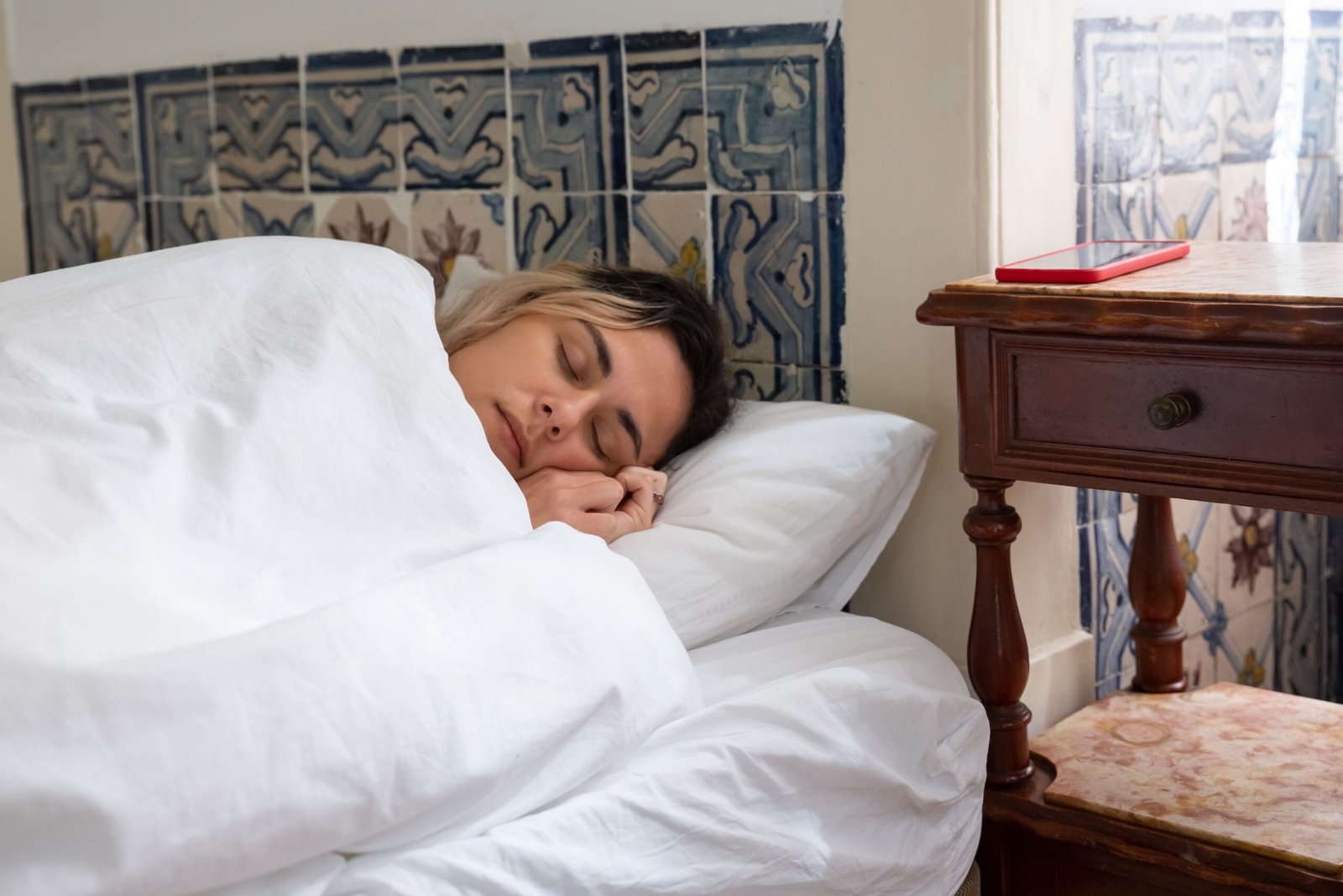
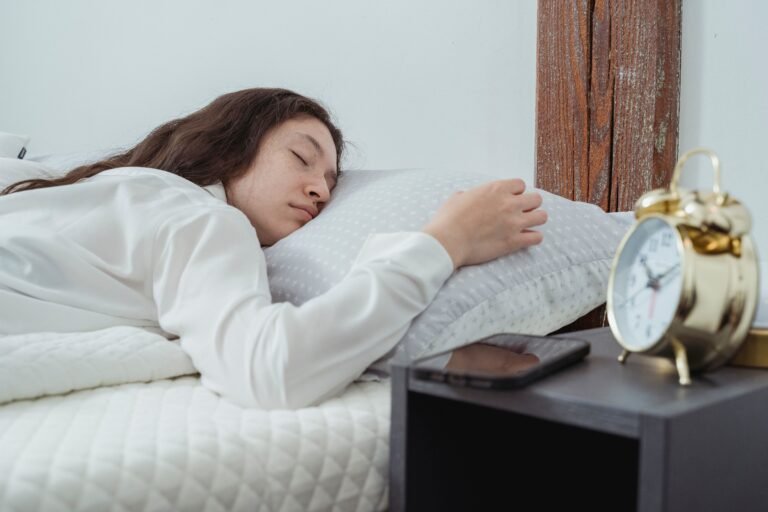
I always assumed sleep worked like most things in life: more is better. If six hours left me tired, surely nine or ten would leave me feeling twenty years younger. So when I came across a brand-new study connecting sleep and aging, I expected it to confirm exactly that — sleep as much as you can, and your body will thank you for it.
It didn’t. And that’s exactly why this research is worth paying attention to.
Scientists have just published findings showing that both sleeping too little and sleeping too much are linked to faster biological aging — not just feeling tired, but your actual cells and organs aging quicker than they should. There’s a specific window where people’s bodies aged the slowest, and it’s narrower than most of us would guess.
If you’ve ever bragged about needing “just five hours” to function, or treated a nine-hour sleep-in as pure self-care, this study is going to make you rethink both.
The Study That’s Reframing How We Think About Sleep
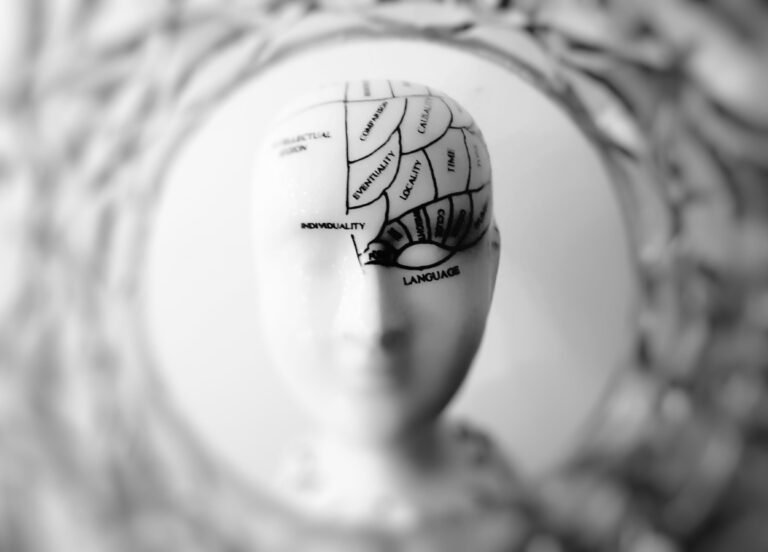
The research was covered this week and draws on one of the more sophisticated approaches scientists have developed for measuring aging: biological aging clocks. Unlike your birth certificate, which gives you a chronological age that ticks up predictably every year, biological age reflects how your cells, organs, and systems are actually holding up — and it can be faster or slower than the number of candles on your last birthday cake.
Researchers analyzed 23 different biological aging clocks, each one designed to measure aging through a different biological lens — things like DNA methylation patterns, inflammation markers, organ function, and metabolic health. Using this wide array of aging measurements gave the findings unusual credibility, since the results weren’t dependent on just one narrow way of defining “aging.”
What they found was a clear pattern: people who slept somewhere between 6.4 and 7.8 hours per day showed the lowest levels of biological aging across the majority of these clocks. Move outside that range in either direction — sleeping noticeably less, or noticeably more — and biological aging markers started climbing.
In plain terms: your body seems to have a sweet spot for sleep, and both shortchanging it and overindulging it come with a cost.
Why Too Little Sleep Aging Your Body Isn’t Surprising — But Too Much Is
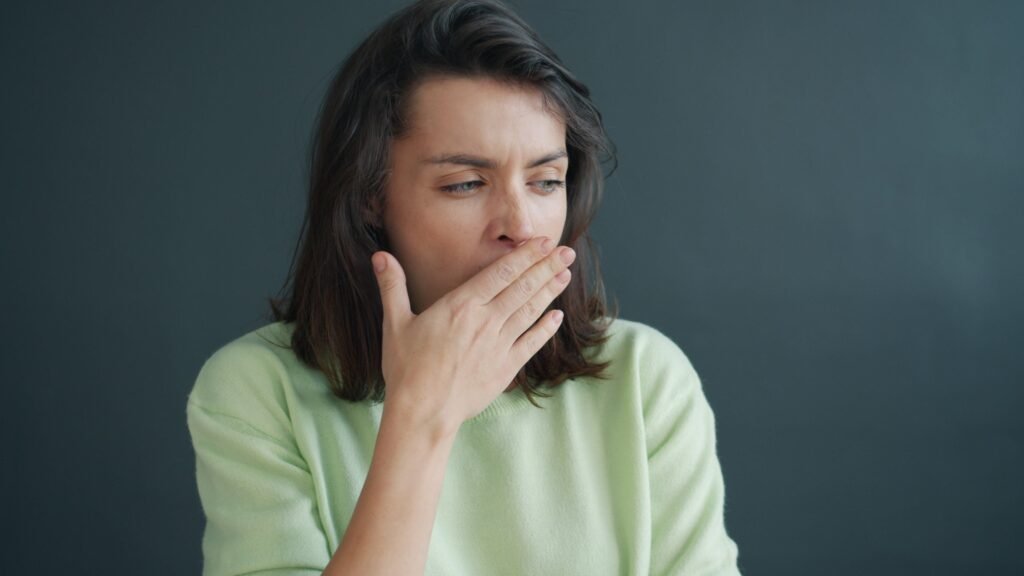
The link between sleep deprivation and poor health has been documented for years, so it’s not shocking that chronic short sleep shows up as accelerated aging. When you consistently sleep too little, your body doesn’t get adequate time for the repair processes that happen during deep sleep stages — cellular repair, hormone regulation, memory consolidation, and clearing of metabolic waste products from the brain. Skip enough of that repair time, night after night, and the wear shows up in ways that biological aging clocks are specifically built to detect.
What catches people off guard is the other end of the spectrum. We tend to think of extra sleep as something the body wants and rewards us for providing. But oversleeping has increasingly been linked in research to worse health outcomes — including higher rates of inflammation, cardiovascular issues, and now, apparently, faster biological aging.
There are a few plausible explanations researchers have pointed to in related sleep research over the years. Consistently long sleep durations are sometimes a marker of underlying health issues rather than a cause of harm by themselves — meaning people who are already dealing with inflammation, depression, or undiagnosed medical conditions may naturally sleep longer, and it’s the underlying condition driving the aging, not the extra hours in bed. Other research suggests that oversleeping can disrupt the body’s natural circadian rhythm just as much as under-sleeping does, throwing off the timing of hormone release and metabolic processes that are meant to run on a tight schedule.
Either way, the pattern is consistent: your body doesn’t just want “enough” sleep. It wants sleep within a fairly specific range, and it’s punishing both directions of the extreme.
What This Means If You’re Averaging Way Outside That Window
Before you panic about last night’s five hours of sleep or this weekend’s ten-hour catch-up session, it’s worth putting this in context.
This is about consistent patterns, not one bad night. Biological aging clocks measure long-term wear and tear, not a single rough night of sleep. One late night before a deadline or one lazy Sunday sleep-in isn’t going to meaningfully shift your biological age. What matters is your habitual pattern over months and years.
The range isn’t razor-thin. 6.4 to 7.8 hours gives you real flexibility — that’s nearly an hour and a half of room to work with, which lines up comfortably with general sleep guidelines that most adults have heard before, just with more precision behind it now.
Sleep quality still matters alongside quantity. This study focused on duration, but plenty of other research emphasizes that fragmented, poor-quality sleep can undercut the benefits of getting “enough” hours on paper. Eight hours of restless, interrupted sleep isn’t the same as eight hours of deep, uninterrupted rest.
Individual variation exists. Averages describe populations, not every individual perfectly. Some people may genuinely need slightly more or less than this range due to age, health conditions, or genetics. This study offers a strong general benchmark, not a rigid rule that applies identically to everyone.
How to Actually Land in the Sweet Spot

If your current sleep habits are drifting outside that 6.4 to 7.8-hour window, here’s a practical way to nudge things back into range without turning your life upside down.
Anchor your wake-up time first, not your bedtime. Most sleep experts agree that a consistent wake time — even on weekends — does more to regulate your internal clock than obsessing over exactly when you fall asleep. Once your wake time is steady, your body naturally starts getting sleepy at a consistent bedtime too.
Watch for the oversleeping trap on weekends. It’s tempting to treat Saturday and Sunday as a chance to “catch up” with ten hours of sleep. But wildly inconsistent sleep durations across the week — a phenomenon researchers sometimes call social jet lag — can throw off your rhythm just as much as chronic short sleep.
Cut caffeine earlier than you think you need to. Caffeine has a longer half-life than most people realize, often lingering in your system for six or more hours. An afternoon coffee can quietly push your bedtime later, shrinking your sleep window even if you don’t feel wired.
Get morning sunlight exposure. Natural light in the first hour after waking helps set your circadian rhythm, making it easier to fall asleep at a consistent time each night and avoid drifting into either extreme.
Treat oversleeping as a signal worth investigating, not just a lazy day. If you regularly need nine-plus hours to feel functional, it may be worth mentioning to a doctor — it can sometimes point to underlying issues like sleep apnea, depression, thyroid problems, or other conditions rather than simply needing more rest.
Why This Research Matters Beyond Just Feeling Rested
Most sleep advice focuses on how you’ll feel the next day — groggy, sharp, irritable, energized. This study reframes sleep as something with much longer-term stakes. Aging faster than your chronological age isn’t just an abstract concept; it’s been linked in other research to higher risk for chronic diseases, cognitive decline, and shorter healthspan — the number of years you spend not just alive, but genuinely well.
That reframing matters because it shifts sleep from a “nice to have” wellness habit into something closer to a longevity intervention, sitting right alongside diet and exercise as a pillar of how well your body ages. And unlike a lot of longevity advice that requires spending money or radically overhauling your life, this one is about something you’re already doing every single night — just dialing it into a more precise range.
The Bigger Picture
What strikes me most about this research is how it challenges a very American instinct: the idea that if something is good, more of it must be better. We’ve built a culture around pushing sleep to the margins during the week and then trying to “make up for it” with marathon weekend sleep-ins. This study suggests that instinct might be working against us on both ends.
The real takeaway isn’t complicated. It’s not about chasing a perfect number every single night or tracking every hour with an app. It’s about noticing your general pattern and gently steering it toward that 6.4 to 7.8-hour range — not as a rigid rule, but as a target that gives your body the best shot at aging the way it’s supposed to.
FAQ: Sleep and Biological Aging
What exactly is a biological aging clock? A biological aging clock is a scientific tool that estimates how “old” your body is based on measurable biological markers — like DNA methylation, inflammation, or organ function — rather than simply counting years since birth. Researchers use these clocks to see whether someone’s body is aging faster or slower than their actual age suggests.
Is 6.4 to 7.8 hours the same for everyone? It represents the range where biological aging was lowest across the population studied, but individual needs can vary slightly based on age, health status, and genetics. It’s a strong general benchmark rather than an exact number for every single person.
Does napping count toward this sleep range? The study focused on overall daily sleep duration, and most sleep research treats naps as contributing to total sleep time, though naps don’t fully replicate the deep, uninterrupted sleep stages that occur during a full night’s rest.
Why would sleeping too much speed up aging? Researchers believe long sleep duration may sometimes reflect underlying health issues, disrupted circadian rhythms, or other factors that independently affect aging, rather than the extra sleep itself directly causing harm. More research is needed to fully untangle cause and effect.
Should I wake myself up if I sleep past 8 hours? Not necessarily — occasional longer sleep, especially after illness or exhaustion, is normal and not a cause for concern. The findings are about consistent long-term averages, not the occasional night of extra rest.





+ There are no comments
Add yours