




Everyone has been there. A crying baby, a deadline that wouldn’t let go, a flight that landed at 3 a.m., or just one of those nights where sleep simply refused to show up. And the next day, you still have to function — show up to work, remember names, make decisions, and somehow get through it on a brain running on fumes.
For years, the only real advice for a sleepless night was some version of “try to nap later” or “just push through and catch up tonight.” Neither of those is especially useful when you’re standing in a meeting at 10 a.m. trying to remember what was just said. Now, a new study out of McGill University has some genuinely practical news: two very different, very doable interventions — a short workout or a nap — can meaningfully protect your memory after a night with zero sleep. And you don’t need hours to do either one.
The Study: 30 Hours Awake, Then What?
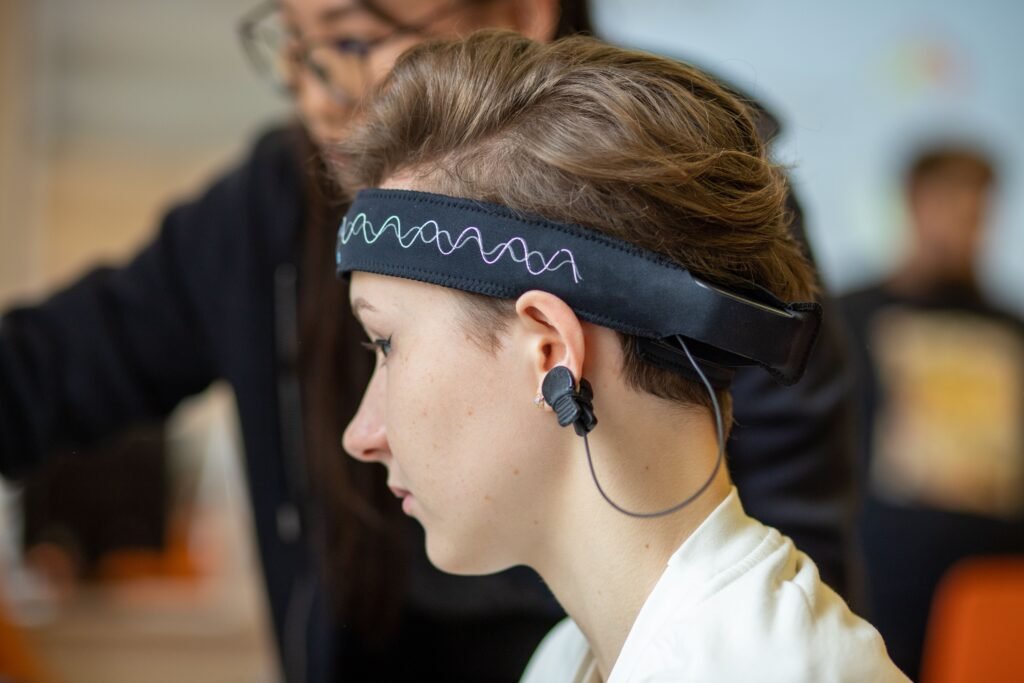
Researchers at McGill University’s School of Physical and Occupational Therapy set out to answer a very specific, very relatable question: if you can’t get more sleep right now, is there anything you can do in the moment to protect your brain from the damage sleep loss causes?
To test this, the team recruited 54 healthy young adults, all between 18 and 35, and kept them awake for 30 consecutive hours under lab supervision — a deliberately extreme version of the kind of sleepless stretch a new parent, shift worker, or student pulling an all-nighter might experience. After that stretch of wakefulness, participants were split into three groups. One group did 20 minutes of moderate-to-vigorous exercise on a stationary bike. A second group took a 90-minute nap. The third group, the control, simply sat around doing neither.
Afterward, researchers tested everyone’s memory using an image recognition task: participants viewed a series of 150 photos and rated the emotional intensity of each one, which ensured they were actually paying attention and staying awake for the test. Three days later, the same participants came back and were shown those 150 original images mixed in with 75 new ones, and asked to identify which ones they’d seen before.
The results were striking. People who had either exercised or napped after their sleepless night performed about 22% better on the memory test three days later than those in the control group who did nothing. Notably, the workout group and the nap group performed similarly well — meaning a 20-minute bike ride was roughly as protective for memory as a 90-minute nap.
Two Different Roads to the Same Destination
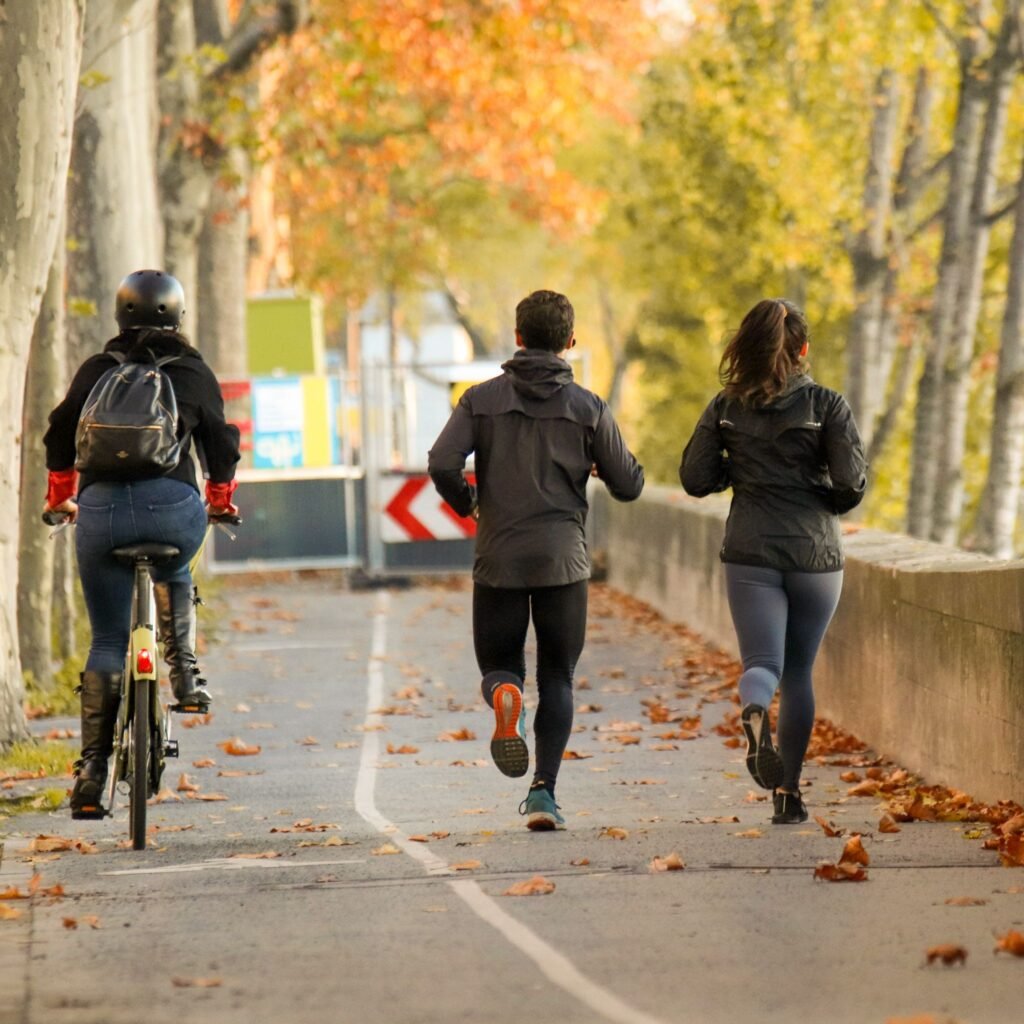
Perhaps the most interesting part of this research isn’t just that both interventions worked — it’s that they appear to work through genuinely different mechanisms in the brain.
Using EEG brain recordings, the researchers found that napping and exercise helped memory in distinct ways. Napping appeared to recharge the brain in a more literal sense, making it easier to absorb and store new information as it came in — essentially giving the brain’s encoding process a boost. Exercise, on the other hand, didn’t recharge the brain in that same way. Instead, it seemed to help the brain use whatever cognitive resources it had left more efficiently, without adding to overall fatigue.
Study co-author Marc Roig, a professor at McGill’s School of Physical and Occupational Therapy, framed the significance simply: sleep loss affects nearly every part of how people think and function, but most people can’t simply stop what they’re doing and get more sleep. What this research shows, he said, is that even a brief bout of exercise may help preserve one of the brain’s most important cognitive abilities.
Researchers described the underlying finding as evidence of the brain’s remarkable adaptive capacity — its ability to maintain a meaningful level of cognitive performance even under real sleep deprivation, as long as it’s given the right kind of brief support.
Why This Matters for People Who Can’t Just “Sleep It Off”
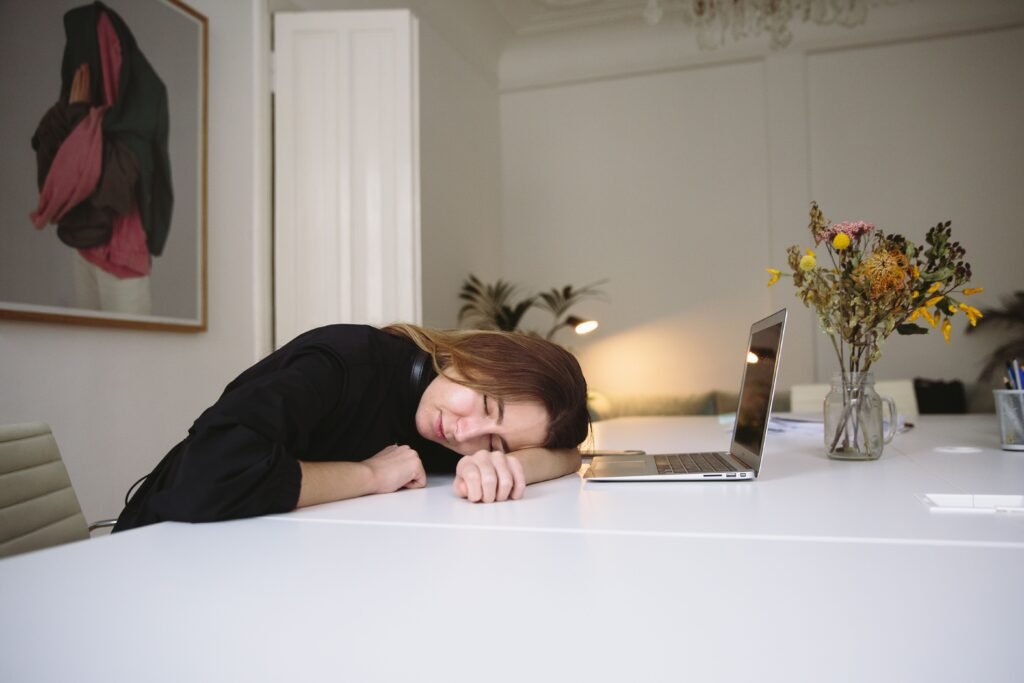
This research wasn’t designed purely out of academic curiosity. The team specifically pointed to real-world groups who regularly deal with disrupted or inadequate sleep as part of their jobs: night-shift workers, emergency responders, healthcare workers, and anyone else whose schedule doesn’t leave room for a full night’s rest whenever they need one.
As one of the study’s authors, Madhura Lotlikar, pointed out, a nap isn’t always possible in the middle of a shift. That’s exactly why having two distinct options matters. If you’re a nurse on a 12-hour overnight shift, a 90-minute nap may be completely out of reach, but 20 minutes of brisk movement during a break might not be. If you’re a new parent whose baby is finally asleep for an unpredictable stretch, the nap route might make more sense than trying to squeeze in a workout. Having both tools available means there’s a realistic option for more situations, rather than a single fix that only works for people with the right schedule.
This is also genuinely useful information for the millions of Americans who deal with occasional sleepless nights that have nothing to do with shift work — the parent up with a sick kid, the student cramming before an exam, the traveler dealing with jet lag, or anyone who simply had one of those nights where sleep didn’t come.
The Honest Limitations Worth Knowing
As encouraging as this research is, a few caveats are worth keeping in mind before treating either intervention as a full substitute for sleep.
This isn’t a replacement for actual sleep. Neither exercise nor napping reversed the effects of sleep deprivation entirely — they reduced the memory impairment associated with it. Sleep loss still affects far more than memory alone, including mood, reaction time, decision-making, and long-term health when it becomes chronic. This research offers a way to soften the immediate cognitive hit, not a loophole around needing real sleep.
The study used young, healthy adults in a controlled lab setting. The 54 participants were all between 18 and 35 and in good health. Researchers themselves have noted that future studies will need to determine whether these findings hold up in real-world environments, and importantly, among people who regularly experience disrupted sleep rather than a single extreme 30-hour stretch.
Longer naps come with their own trade-offs. Some sleep specialists reviewing these findings have pointed out that shorter naps, generally under 30 minutes, tend to be preferable in everyday situations, since naps have the potential to disrupt your regular sleep-wake cycle, particularly if taken too late in the day or for too long. A 90-minute nap can also risk leaving you in a deeper stage of sleep when you wake up, leading to temporary grogginess.
Moderate-to-vigorous exercise means actually elevated effort. The study used cycling that raised participants’ heart rates meaningfully, not a slow, leisurely stroll. If you’re going to try the workout route after a sleepless night, it needs to be intense enough to count, while still being something you can safely do while sleep-deprived.
How to Actually Use This the Next Time You’re Running on No Sleep

If you find yourself facing a day after a rough or sleepless night, here’s how to put this research to practical use.
If you have 20 minutes and some energy, move your body. A brisk walk, a short jog, a quick session on a stationary bike, or even a fast-paced bodyweight workout can fit the bill. The goal is genuinely elevating your heart rate for those 20 minutes, not just gentle movement.
If you have access to a quiet space and about 90 minutes, nap instead. This works especially well if exercise isn’t realistic — say, you’re recovering from illness, or you simply don’t have anywhere private to move. Try to nap earlier in the day rather than late afternoon, so it’s less likely to interfere with your sleep that night.
Pick whichever fits your actual day, rather than the “better” option. Since both interventions produced similar memory benefits in this study, the more useful question isn’t “which is superior” but “which can I realistically do right now.” A nurse mid-shift and a remote worker with a spare hour are going to have very different answers, and that’s fine.
Don’t treat either as a long-term strategy. This is a tool for the occasional rough night, not a workaround for chronic sleep deprivation. If sleepless nights are becoming a regular pattern rather than an occasional disruption, that’s worth addressing directly, ideally with a doctor, rather than repeatedly patching over it with naps or workouts.
The Bigger Picture
There’s something quietly reassuring about this research, beyond just the practical tips. It’s a reminder that the brain isn’t simply helpless in the face of sleep loss. Given the right, relatively small input — a short burst of movement or a well-timed nap — it can meaningfully protect one of its most important functions, even under real strain.
That doesn’t make chronic sleep deprivation any less serious, and it’s not an excuse to treat sleep as optional. But for the next time life hands you an unavoidable sleepless night, it’s genuinely useful to know that you have two simple, science-backed options to soften the blow, rather than just white-knuckling through the day on caffeine and hope.
FAQ: Exercise, Naps, and Sleep Deprivation
Which is better after a sleepless night — a workout or a nap? The study found both were similarly effective at protecting memory, improving performance by about 22% compared to doing neither. The better choice usually comes down to what’s realistic for your situation rather than one being definitively superior.
Does a shorter nap work just as well as 90 minutes? This specific study only tested a 90-minute nap. Some sleep specialists note that shorter naps, generally under 30 minutes, are often preferable in daily life since they’re less likely to disrupt your regular sleep-wake cycle or leave you groggy.
What counts as “moderate-to-vigorous” exercise for this purpose? In the study, this meant cycling at an intensity that meaningfully raised participants’ heart rates for the full 20 minutes, not a slow or leisurely pace. A brisk walk, jog, or higher-intensity bodyweight workout would likely fall into a similar category.
Can this replace getting a full night’s sleep? No. These interventions reduced the memory impairment associated with sleep loss, but they don’t reverse sleep deprivation’s broader effects on the body and mind. They’re best used as a short-term way to function better after an occasional rough night, not a substitute for regular, adequate sleep.
Is this safe for people who deal with sleep deprivation regularly, like shift workers? The researchers specifically noted this research could be useful for people like night-shift workers, healthcare workers, and emergency responders, but also cautioned that future studies need to confirm the findings hold up for people who experience disrupted sleep on a regular, ongoing basis rather than as a one-time event.





+ There are no comments
Add yours