






For years, the wellness world told us to push harder. Wake up earlier. Grind more, Optimize every hour of your day. And for a while, a lot of us bought into it — tracking steps, stacking supplements, chasing productivity hacks like they were the secret to a better life.
But something has shifted. More people are quietly stepping back from the “do more, be more” mentality and asking a very different question: why do I feel exhausted, anxious, and wired all the time — even when I’m doing everything “right”?
The answer, more often than not, comes down to one thing: an overworked, dysregulated nervous system. And the practice gaining real momentum right now isn’t another productivity hack — it’s nervous system regulation, the simple, science-backed process of calming your body’s stress response so you can actually think, feel, and function well again.
What Does “Nervous System Regulation” Actually Mean?
Your nervous system has two main modes: activation and rest. The sympathetic nervous system is your “fight or flight” gear — it kicks in when you’re stressed, threatened, or overwhelmed, flooding your body with cortisol and adrenaline. The parasympathetic nervous system is the opposite: it’s your “rest and digest” state, where your heart rate slows, digestion improves, and your body actually has a chance to repair itself.
In a healthy system, you move between these two states fluidly — stressed when you need to be, calm once the stressor passes. The problem is that modern life rarely lets that second part happen. Constant notifications, nonstop scrolling, packed schedules, and an “always-on” culture keep millions of people stuck in a low-grade fight-or-flight state for hours, days, even years at a time.
Nervous system regulation is simply the practice of intentionally helping your body shift back into that calmer, parasympathetic state — not through willpower, but through specific physical and mental techniques that talk directly to your nervous system.
Why This Is Replacing Hustle Culture
Hustle culture asked us to override our body’s signals: push through exhaustion, ignore burnout, treat rest as a reward you earn only after enough output. The problem is that this approach doesn’t just feel bad — it actively works against how the human body is designed to function.
A chronically activated nervous system doesn’t just cause anxiety or irritability. Over time, it interferes with sleep, digestion, focus, immune function, and even how your brain processes emotions. People pushed themselves harder and harder using this model, and many ended up burned out, anxious, and disconnected from their own bodies — achieving more on paper while feeling worse in real life.
Nervous system regulation flips the entire model. Instead of asking “how do I push through this?” it asks “how do I help my body feel safe enough to function well?” This isn’t about being lazy or avoiding effort — it’s about recognizing that a calm, regulated nervous system is actually the foundation that makes real productivity, creativity, and emotional stability possible in the first place. You can’t out-hustle a body that doesn’t feel safe.
The Signs Your Nervous System Might Be Dysregulated

Before diving into solutions, it helps to recognize what dysregulation actually feels like. Some common signs include:
- Feeling wired but exhausted at the same time
- Struggling to relax even during downtime
- Snapping at small things or feeling emotionally reactive
- Trouble falling or staying asleep despite being tired
- A racing mind that won’t slow down, even at night
- Feeling disconnected from your body or emotions
- Constant low-grade anxiety with no clear cause
If several of these sound familiar, it doesn’t mean something is fundamentally wrong with you. It usually just means your nervous system has been stuck in overdrive for a while — and, like any overworked system, it needs intentional support to reset.
Simple, Practical Ways to Regulate Your Nervous System
The good news is that nervous system regulation doesn’t require expensive gadgets or hours of free time. Most of the most effective techniques take just a few minutes and can be done almost anywhere.
1. Slow, Extended Exhales

Your breath is one of the fastest ways to directly influence your nervous system. Long, slow exhales — longer than your inhale — activate the vagus nerve, which signals to your body that it’s safe to relax. Try inhaling for four counts and exhaling for six to eight counts. Even 60 seconds of this can measurably shift your state.
2. Physical Movement That Discharges Stress
Stress hormones are designed to be used, not just felt. A short walk, gentle stretching, or even shaking out your hands and arms can help your body complete the stress cycle instead of leaving it “stuck” in your system. This is part of why a quick walk after a stressful meeting often helps more than sitting and stewing over it.
3. Cold Exposure

A splash of cold water on your face, or ending a shower with 20–30 seconds of cold water, activates the same vagus nerve pathway as slow breathing. Many people report an almost immediate sense of alertness paired with calm after doing this — it interrupts spiraling thoughts and resets your physiological state.
4. Grounding Through the Senses
When your mind is racing, bringing your attention back to your physical senses can pull your nervous system out of threat-mode. A simple technique: name five things you can see, four things you can hear, three things you can touch, two things you can smell, and one thing you can taste. It sounds almost too simple, but it works because it forces your brain to focus on the present moment instead of anticipated threats.
5. Consistent, Predictable Rhythms
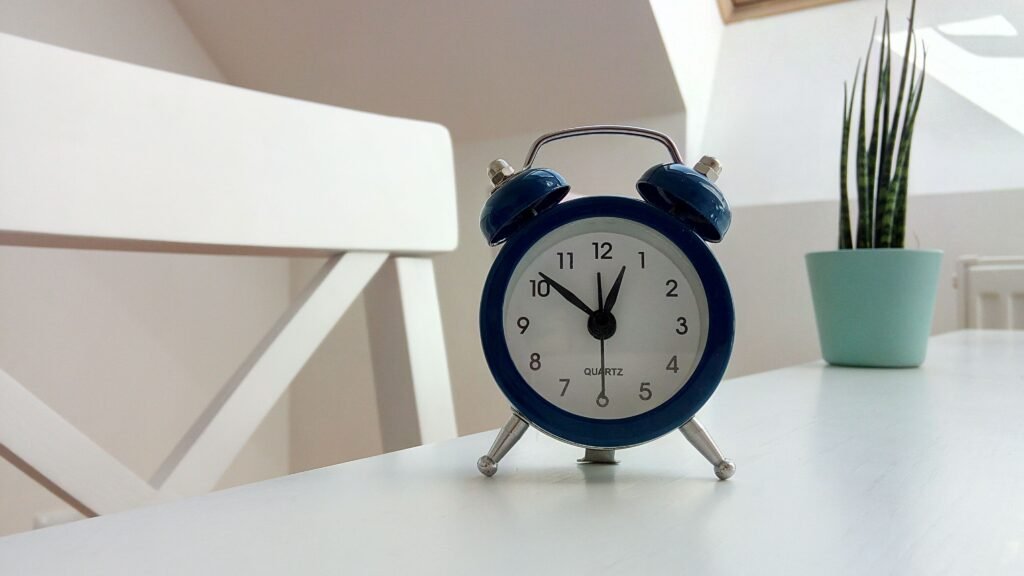
Your nervous system craves predictability. Regular sleep and wake times, consistent meals, and predictable daily rhythms all send a quiet, ongoing signal of safety to your body. This is one reason why chaotic, unpredictable schedules — even exciting ones — often leave people feeling more anxious than calm.
6. Micro-Rest Throughout the Day
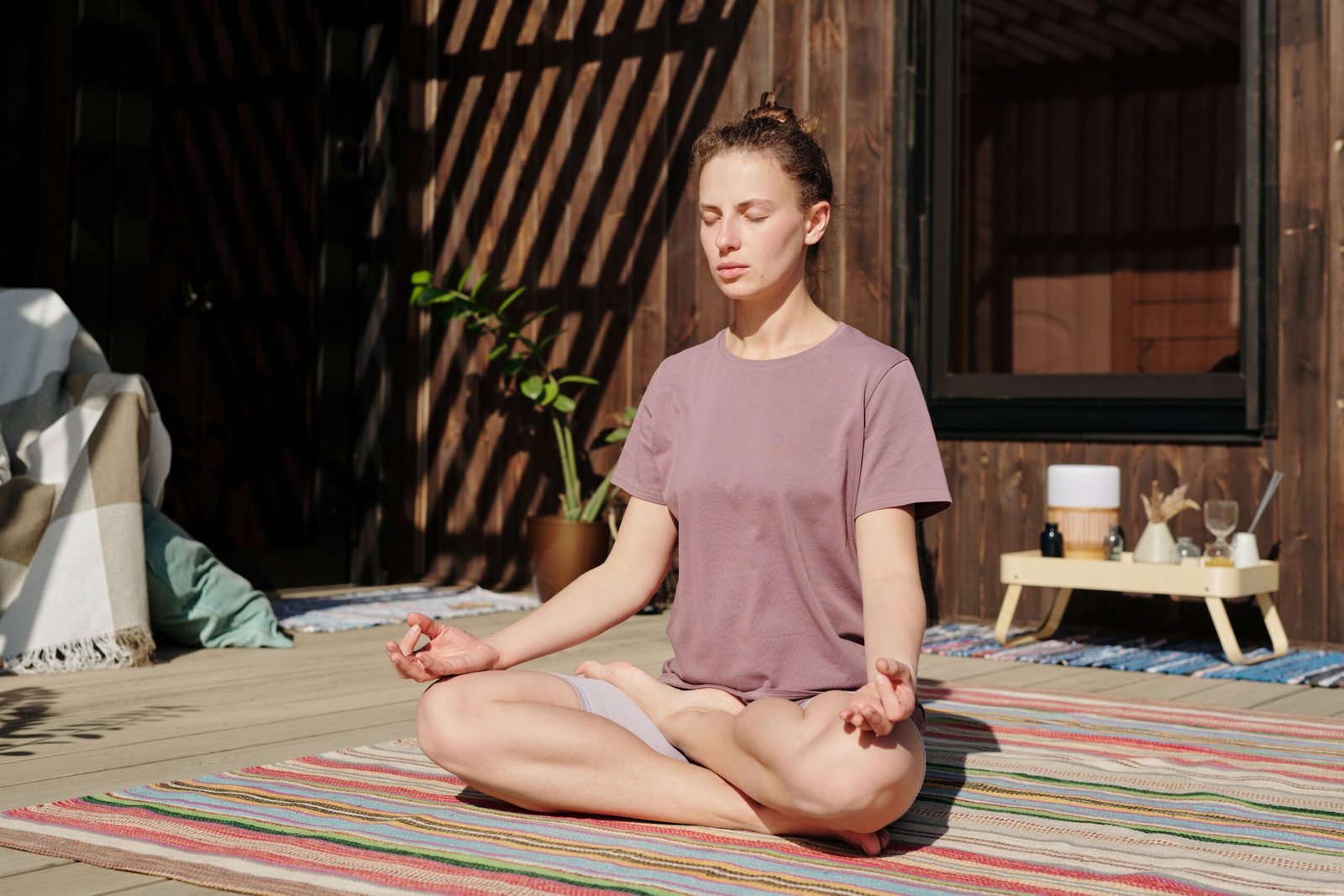
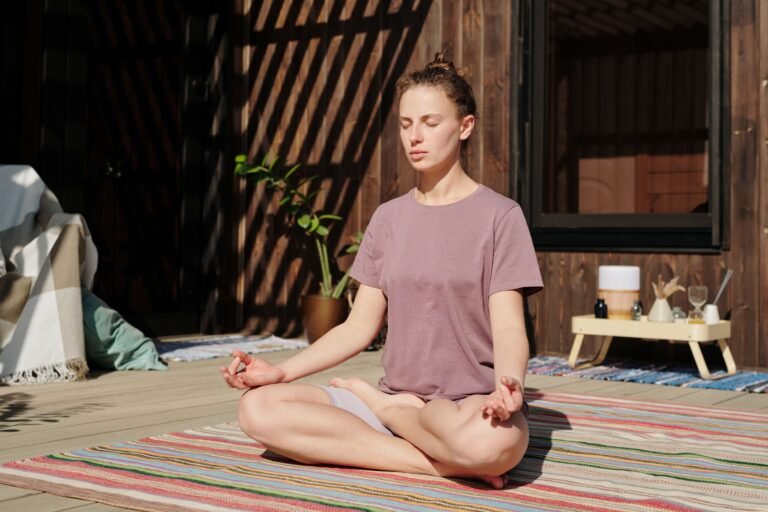
You don’t need a full hour of meditation to make a difference. Even 60 to 90 seconds of intentional stillness — closing your eyes, relaxing your shoulders, taking a few slow breaths — several times a day can prevent stress from accumulating into a constant background hum. Think of it as small deposits into your nervous system’s “calm” account throughout the day, rather than trying to make one large withdrawal at bedtime.
Nervous System Regulation Isn’t a Quick Fix — And That’s the Point
One of the most important shifts in this approach is letting go of the idea that calm is something you achieve once and then keep forever. Regulation is an ongoing practice, not a permanent destination. Some days will require more support than others, and that’s completely normal — it doesn’t mean you’re doing it wrong.
This is also part of why this trend feels so different from the hustle-culture wellness of the past. It’s not about achieving a “perfectly optimized” nervous system through more tracking, more data, or more pressure. It’s about building a flexible relationship with your own stress response — noticing when you’re activated, and having simple tools ready to help your body come back to baseline.
Final Thoughts: Your Body Was Never the Obstacle

For a long time, wellness culture treated the body’s stress signals as something to override, ignore, or push through. Nervous system regulation offers a fundamentally different message: your body isn’t working against you. It’s constantly trying to keep you safe, and when it stays in overdrive, that usually happens because it hasn’t received the signals it needs to relax.
The shift from hustle to regulation isn’t about doing less out of laziness. It’s about recognizing that a calm, well-regulated nervous system is the actual foundation for sustainable energy, clear thinking, and genuine wellbeing — not something you earn after burning yourself out, but something you build daily, one small, intentional moment at a time.
So the next time you feel wired, overwhelmed, or stuck in overdrive, remember: you don’t need to push harder. You need to help your nervous system feel safe enough to finally rest.






+ There are no comments
Add yours