








For the better part of a decade, wellness has been an intensely personal project. We tracked our steps, optimized our sleep, counted our macros, journaled our thoughts, and meditated in solitude. Self-improvement became, quite literally, a solo activity — something you did alone, for yourself, measured by data only you could see.
And somewhere along the way, a lot of us got very good at improving ourselves while feeling more isolated than ever.
That’s the paradox driving one of 2026’s biggest wellness shifts: social health. After years of remote work, hyper-digital living, and self-improvement done in isolation, people are starting to realize something that ancient wisdom knew all along — humans aren’t built to thrive alone. Connection isn’t a nice-to-have on top of wellness. It might be one of the most important pillars of it.
What Exactly Is “Social Health”?
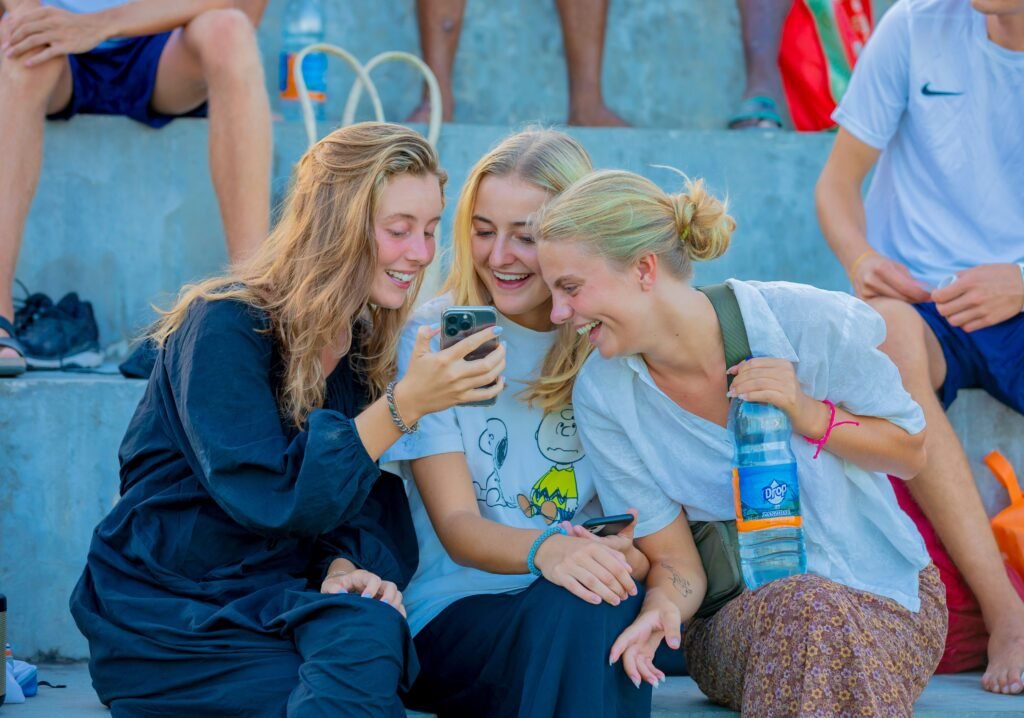
Social health refers to the quality and depth of your relationships and social connections, and how they directly affect your physical and mental wellbeing. It sits alongside physical health, mental health, and emotional health as an equally important — and often overlooked — pillar of overall wellbeing.
Unlike a step count or a sleep score, social health doesn’t show up on a wearable device. You can’t strap on a tracker and get a notification telling you your “connection score” dropped this week. But that doesn’t make it any less real. Research has consistently linked strong social bonds to lower rates of depression and anxiety, better cardiovascular health, stronger immune function, and even longer life expectancy. In fact, some studies suggest that chronic loneliness carries health risks comparable to smoking or obesity.
The wellness industry spent years treating the body and mind as machines to be optimized individually. Social health flips that lens, insisting that we are, at our core, deeply relational creatures — and that no amount of personal optimization can fully substitute for genuine human connection.
Why This Is Becoming Such a Big Deal Right Now

It’s not a coincidence that social health is having a moment in 2026. Several cultural forces have collided to make connection feel scarcer than ever, even as we’re more “connected” through technology than any generation in history.
Remote and hybrid work reshaped daily life. For millions of people, the office wasn’t just a place to work — it was also where casual friendships formed, where you grabbed coffee with a coworker, where small talk in the hallway added up to a sense of belonging. As work moved home, a lot of that incidental connection quietly disappeared.
Self-improvement culture became a solitary pursuit. The last decade of wellness content pushed personal optimization hard: your morning routine, your supplement stack, your productivity system. All of it was framed around the individual. Somewhere in that pursuit of becoming your “best self,” community often got treated as optional — something to fit in around your routine, rather than a core part of it.
Digital connection replaced physical presence. Scrolling through updates, liking posts, and texting throughout the day can feel like staying connected. But there’s a meaningful difference between knowing what someone had for breakfast through a story and actually sitting across from them, having an unhurried conversation. Digital contact can create the illusion of connection while leaving the deeper need for genuine belonging unmet.
Put those three forces together, and you get a generation of people who are more digitally “in touch” than ever, yet reporting record levels of loneliness. Social health is the wellness world’s response to that gap — a recognition that community isn’t a luxury add-on to a good life, but a foundational requirement for one.
The Real Cost of Social Disconnection

It’s easy to underestimate how much loneliness affects us, partly because it doesn’t announce itself the way physical pain does. But the effects are significant and well-documented.
Chronic loneliness has been linked to increased inflammation in the body, higher cortisol levels, disrupted sleep, and a weakened immune response. Emotionally, isolation often shows up as low-grade anxiety, a persistent sense that something is “missing” even when life looks fine on paper, and a gradual erosion of motivation and joy. Socially, it can create a difficult loop: the less connected you feel, the harder it becomes to reach out, which deepens the isolation further.
What makes this especially tricky is that disconnection can hide behind a busy, seemingly full life. You can have a packed calendar, dozens of digital contacts, and still feel profoundly alone if none of those interactions involve real depth, vulnerability, or presence. Social health isn’t about how many people you know — it’s about how genuinely connected you feel to the people around you.
How to Actually Build Social Health (Without Making It Feel Forced)
The good news is that improving your social health doesn’t require a complete life overhaul or an extroverted personality. Like most meaningful change, it usually comes down to small, consistent actions rather than dramatic gestures.
1. Prioritize Quality Over Quantity
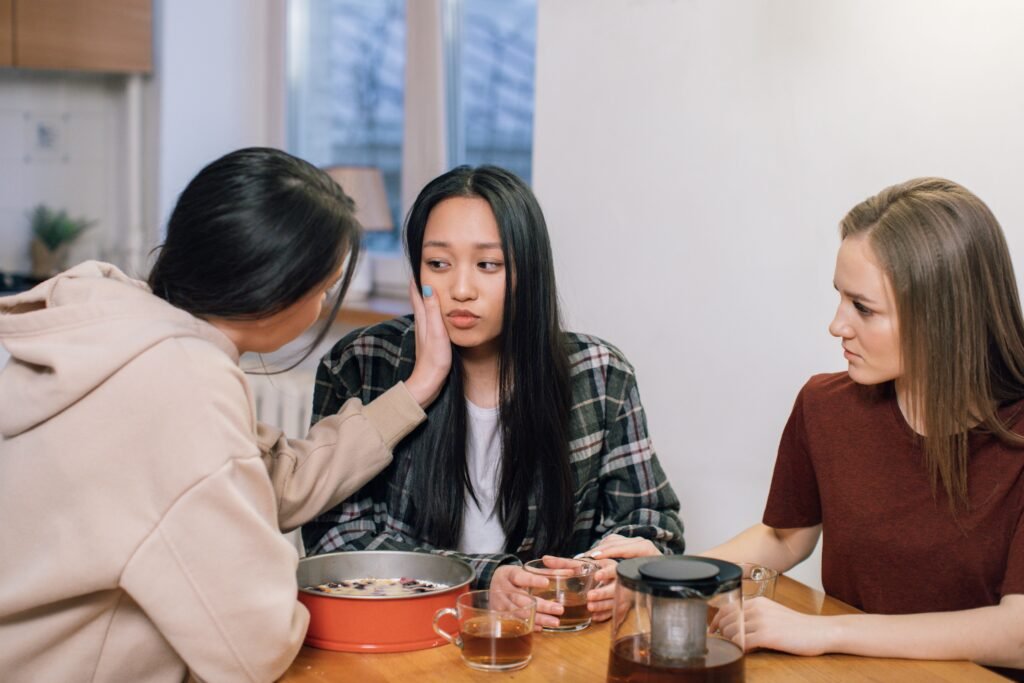
You don’t need fifty friends. Research consistently shows that having a handful of close, trusted relationships matters more for wellbeing than having a huge social circle. Instead of spreading yourself thin trying to maintain dozens of surface-level connections, invest deliberately in the few relationships that actually energize and support you.
2. Create Recurring Touchpoints
One of the easiest ways to build consistent connection is to make it recurring rather than something you have to plan from scratch every time. A standing weekly coffee, a monthly dinner with the same small group, a regular phone call with a family member — recurring touchpoints remove the friction of “we should catch up sometime” and replace it with a built-in rhythm of connection.
3. Choose Presence Over Passive Scrolling
Swap out some screen time for real-time interaction. This doesn’t mean abandoning digital communication altogether — texting and social media absolutely have their place. But try replacing a portion of that scrolling time with something involving actual presence: a phone call instead of a text, a coffee meetup instead of a like on a post, a shared activity instead of a group chat that never leads anywhere.
4. Join Something With Structure

Making new friends as an adult is genuinely harder than it was in school, largely because there’s no built-in structure forcing regular interaction. Joining a recurring activity — a running club, a book club, a class, a volunteer group — recreates some of that natural structure. You show up because of the activity, and the friendships form as a byproduct, which tends to feel far less pressured than trying to “network” your way into new relationships.
5. Be Willing to Go First
Many people wait for others to reach out, assuming everyone else already has a full social calendar. In reality, most people are quietly craving more connection too — they’re just waiting for someone to make the first move. Sending that text, extending that invitation, or suggesting that hangout often matters more than it feels like it should in the moment.
6. Practice Vulnerability in Small Doses
Deep connection rarely happens through small talk alone. Sharing something slightly more honest than usual — how you’re actually doing, a real concern, an authentic opinion — tends to invite the other person to do the same. You don’t need to overshare everything at once; even small, genuine moments of openness can meaningfully deepen a relationship over time.
Social Health at Work and in Daily Life

This shift isn’t limited to personal relationships — it’s reshaping workplaces, too. Companies are increasingly recognizing that employee wellbeing isn’t just about ergonomic chairs and mental health apps; it’s also about fostering genuine connection among coworkers. In-person gatherings, team rituals, and spaces designed for casual interaction are making a comeback, precisely because leaders are noticing what gets lost when work happens entirely behind screens.
On a community level, “third places” — spaces that aren’t home or work, like cafes, gyms, community centers, and hobby groups — are gaining renewed appreciation as essential infrastructure for social health, not just nice extras. The rise of run clubs, book clubs, and interest-based meetups reflects a quiet but widespread hunger for real-world belonging.
Final Thoughts: Wellness Was Never Meant to Be a Solo Sport

For years, wellness culture asked us to look inward — to optimize our habits, track our metrics, and become the best possible version of ourselves, often in isolation. Social health offers a necessary correction to that story: no amount of personal optimization can fully replace the simple, profound impact of feeling genuinely connected to other people.
This doesn’t mean abandoning personal growth or self-care. It means recognizing that those pursuits work best alongside real relationships, not instead of them. A well-regulated nervous system, a solid morning routine, and disciplined habits all matter — but so does the friend who checks in on a hard day, the recurring dinner with people who know your history, and the small talk that occasionally turns into something deeper.
If there’s one thing worth taking from this shift, it’s this: the next time you’re deciding how to spend an evening, don’t only ask what will make you more productive or optimized. Ask what will make you feel more connected. In 2026, that question might be the most important wellness metric of all.








+ There are no comments
Add yours