







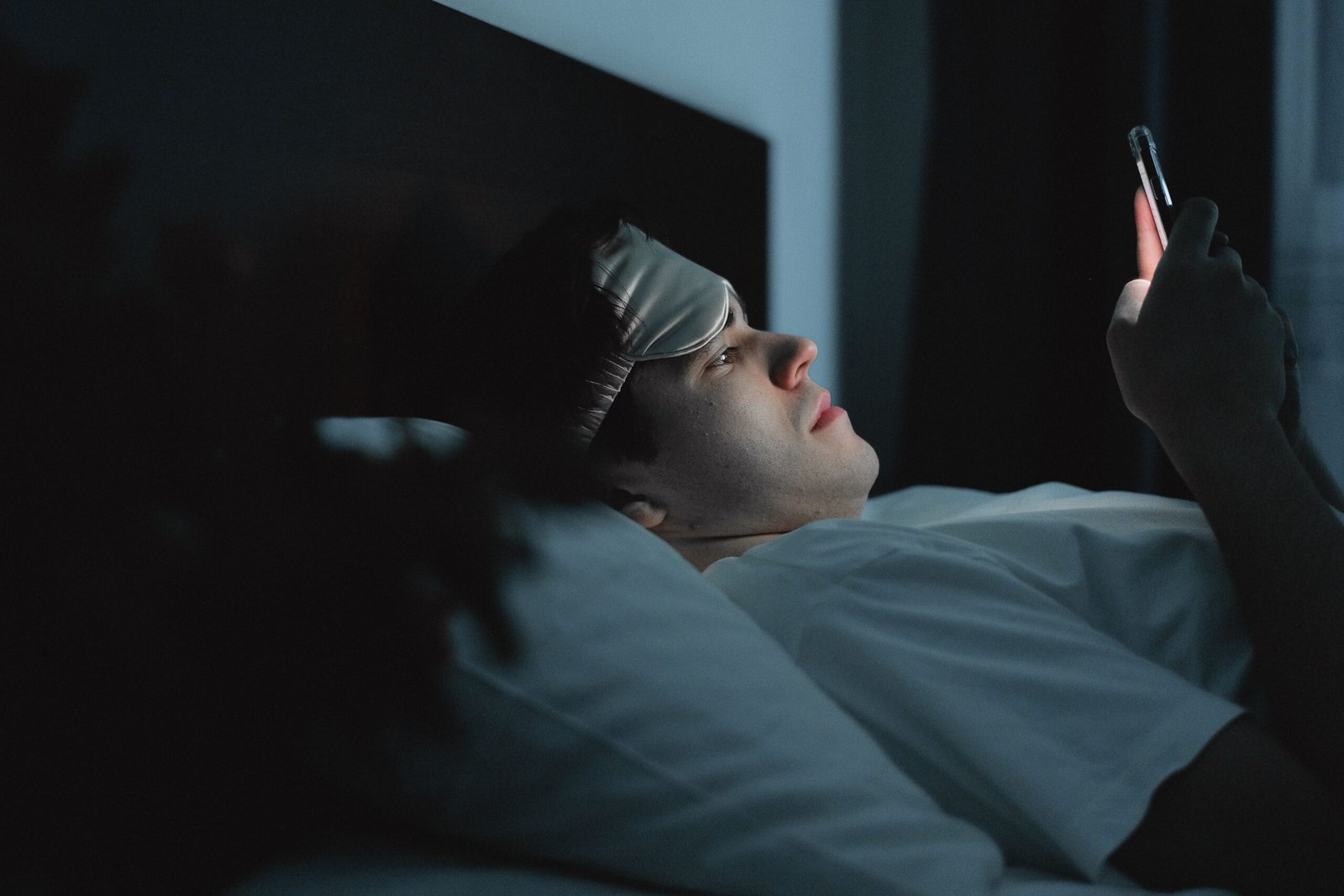
It’s 11 p.m. You told yourself you’d sleep early tonight. But somehow, you’re still scrolling. One more video, post, “just five minutes.”
Sound familiar? You’re not alone. Most people check their phone right up until the moment they close their eyes. It feels harmless. It feels relaxing.
But here’s the twist. Your brain sees it very differently. Late-night scrolling quietly changes how your brain works, both that night and the next day.
So what actually happens when you stop? Let’s break it down, night by night.
Why Scrolling Before Bed Feels So Hard to Quit

Before diving into the changes, it helps to understand why this habit sticks so easily. Your phone is designed to keep you engaged. Every scroll offers something new. Every notification promises a tiny reward.
This constant novelty triggers dopamine release in your brain. Dopamine is the chemical linked to pleasure and anticipation. Each swipe delivers a small hit of it.
Over time, your brain starts craving this pattern automatically. Bedtime becomes associated with scrolling, not sleep. Breaking that link takes more than willpower. It takes understanding what’s happening inside your brain.
Night One: Your Brain Notices Something Is Missing

The first night without scrolling often feels strange. You reach for your phone out of habit. Your hand almost moves on its own.
This happens because your brain has built a strong association. Bed equals phone equals scrolling. Removing one piece disrupts the entire pattern.
You might feel a little restless. Some people describe a mild itch to check “just one thing.” This isn’t weakness. It’s simply your brain’s reward pathway looking for its usual hit.
Blue light exposure also drops immediately. Your phone screen emits blue light, which suppresses melatonin production. Melatonin is the hormone that signals sleepiness. Without that suppression, your body starts its natural wind-down process sooner.
Night Two to Three: Falling Asleep Gets Easier

By the second or third night, something shifts. Falling asleep starts feeling less like a battle. Your mind wanders less into scrolling loops. Instead, actual drowsiness sets in earlier.
This happens for two main reasons.
Melatonin production improves. Without blue light interference, your melatonin levels rise on schedule. This makes you feel sleepy at a more natural time.
Mental stimulation decreases. Scrolling isn’t passive. Your brain actively processes images, opinions, and information. This keeps neural activity elevated, right when it should be slowing down. Without that stimulation, your mind settles faster.
Many people also notice fewer racing th
oughts once in bed. Scrolling often exposes you to stressful news, comparison, or conflict, right before trying to relax. Removing that input gives your mind space to quiet down naturally.
Night Four to Seven: Sleep Quality Starts Improving

By the end of the first week, changes become more noticeable. Sleep quality itself starts to shift, not just how quickly you fall asleep.
Deep sleep stages tend to improve. Deep sleep is when your body repairs tissue, consolidates memories, and clears metabolic waste from the brain. Scrolling late at night has been linked to reduced deep sleep, partly due to blue light and partly due to mental stimulation.
You may also experience fewer nighttime wake-ups. Constant notifications and habitual phone checks often fragment sleep without you fully realizing it. Removing your phone from the equation eliminates that disruption entirely.
Morning grogginess often decreases too. Better sleep architecture means you cycle through sleep stages more efficiently. This translates to feeling more rested upon waking, even with the same total number of hours.
Week Two: Your Brain’s Reward System Starts Rewiring

This is where things get interesting. By the second week, your brain begins forming new associations. Bedtime starts connecting with actual rest again, not screen time.
The dopamine-driven urge to scroll weakens. It doesn’t disappear completely. But the intensity fades as your brain adjusts to a new nightly routine.
Many people also report improved emotional regulation during this phase. Nighttime scrolling often exposes you to arguments, distressing news, or social comparison right before sleep. Removing that input reduces pre-sleep anxiety and rumination.
Your working memory may also improve slightly. Poor sleep quality directly impairs short-term memory and concentration. As sleep improves, so does your ability to focus and retain information the next day.’
Week Three and Beyond: Long-Term Brain Benefits Emerge

By the third week, the changes become part of your baseline, not just a noticeable shift. Several longer-term benefits tend to appear.
Improved emotional resilience. Consistent, quality sleep strengthens your prefrontal cortex, the brain region responsible for emotional regulation and decision-making. This means better stress management throughout your day.
Reduced anxiety levels. Chronic sleep disruption is closely linked to increased anxiety. As your sleep stabilizes, many people report feeling calmer overall, not just less tired.
Better morning cognitive function. Sleep plays a critical role in memory consolidation. Improved deep sleep means information from your day gets processed and stored more effectively overnight.
A healthier relationship with your phone. Many people notice reduced phone anxiety throughout the entire day, not just at night. Breaking the nighttime habit often creates awareness around daytime scrolling too.
Why This Matters Beyond Just Sleep

It’s tempting to think of this as simply a sleep hack. But the effects reach further than that.
Chronic sleep disruption has been linked to increased inflammation, impaired immune function, and even long-term cognitive decline. Something as simple as your bedtime phone habit can influence far more than how tired you feel tomorrow.
There’s also a mental health angle worth considering. Late-night scrolling often involves passive consumption of curated, highlight-reel content from others’ lives. This can quietly fuel comparison and dissatisfaction, right before you’re supposed to be winding down and relaxing.
Removing this habit doesn’t just protect your sleep. It protects your mental space during one of the most vulnerable times of day, right before you drift into unconsciousness.
How to Actually Make the Change
Understanding the benefits is one thing. Actually breaking the habit is another. Here are some practical strategies that make the transition easier.
Charge your phone outside the bedroom. This single change removes the temptation entirely. If it’s not within reach, you can’t mindlessly grab it.
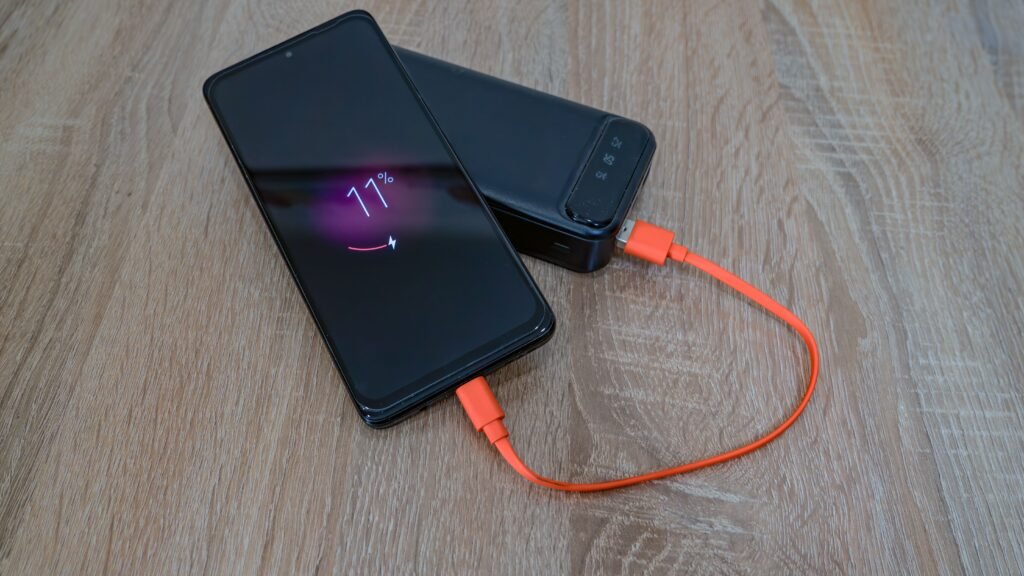
Replace the habit, don’t just remove it. Your brain craves a routine before sleep. Replace scrolling with reading, light stretching, or journaling instead.
Use an actual alarm clock. Many people keep their phone nearby specifically for alarms. A separate alarm clock removes this excuse completely.
Set a “screens off” time, not just a bedtime. Give yourself thirty to sixty minutes of buffer time before you actually intend to sleep. This allows melatonin production to ramp up naturally.
Expect some discomfort early on. The first few nights might feel a bit restless. This is completely normal. Your brain is unlearning an old pattern, and that takes a little time.
What If You Slip Up?

Perfection isn’t the goal here. Missing a night or scrolling occasionally doesn’t erase your progress. What matters most is the overall pattern over weeks and months.
If you slip up, simply return to your routine the next night. Consistency over time matters far more than any single instance of backsliding.
Final Thoughts: A Small Change With Big Ripple Effects
Stopping your nighttime scrolling habit might seem like a minor adjustment. But your brain experiences it as something much bigger. Sleep quality improves. Emotional regulation strengthens. Mental clarity sharpens the next day.
None of this requires expensive gadgets or complicated routines. It simply requires putting your phone down a little earlier, and giving your brain the quiet transition it actually needs.
Your future self, the one waking up clear-headed and well-rested, will likely thank you for it.









+ There are no comments
Add yours