








What if living longer wasn’t about drastic diets or expensive supplements? What if longevity mindset came down to small, boring habits done consistently for decades?
That’s exactly what longevity research keeps showing. The people who live the longest, healthiest lives rarely follow extreme routines. Instead, they build simple habits into everyday life. They just do it for years, not weeks.
This shift in thinking has a name. Experts call it the longevity mindset. It’s less about chasing a magic pill. It’s more about protecting your future self, one small choice at a time.
What Is the Longevity Mindset?

The longevity mindset means making decisions today with your future health in mind. It’s not about obsessing over every meal. It’s not about tracking every metric either.
Instead, it’s a shift in perspective. You start asking a simple question. Will this choice help or hurt my body over time?
This mindset moves away from quick fixes. It focuses on sustainable habits instead. Research on the world’s longest-living populations supports this approach.
These groups don’t rely on supplements or biohacking gadgets. They rely on consistent, simple lifestyle patterns. Things like daily movement, strong social ties, and whole foods.
Why This Approach Is Gaining Momentum
Wellness culture used to focus on quick transformations. Think 30-day challenges and extreme detoxes. But burnout from these approaches is real.
People are starting to realize something important. Health isn’t a short sprint. It’s a decades-long marathon.
This realization is driving a bigger shift. Younger generations especially want measurable, long-term results. They’re less interested in fads. They want habits that actually protect their future.
Preventive health is also becoming more mainstream. People want to catch problems early. They want to build resilience before issues even start.
This is where the longevity mindset fits perfectly. It’s proactive, not reactive. It focuses on prevention, not just treatment.
The Science Behind Longevity

Researchers have studied regions where people live remarkably long, healthy lives. These areas share surprising similarities.
Movement is built into daily life:- People don’t need scheduled gym sessions. They walk to run errands. They stay physically active without thinking of it as “exercise.”
Diets are simple and plant-heavy:- Meals center around vegetables, legumes, and whole grains. Processed foods rarely make an appearance.
Social connection remains strong:- Close relationships and community involvement stay constant throughout life. Isolation is rare.
Purpose continues into older age:- People maintain a sense of meaning and contribution. They don’t suddenly stop having a role in their community.
Stress gets managed naturally:- Rest, tradition, and social support all help regulate daily stress levels.
None of this involves expensive interventions. It comes down to consistent, unglamorous habits.
Common Myths About Longevity

Before diving into practical habits, let’s clear up some misconceptions. These myths often derail people before they even start.
Myth: Longevity requires expensive supplements:- Many products claim to extend your life. Most lack strong scientific backing. Whole food nutrition still outperforms most supplements.
Myth: You need intense exercise routines:- Daily movement matters more than occasional intense workouts. Consistency beats intensity here.
Myth: Genetics determine everything:- Genetics play a role, certainly. But lifestyle factors often matter just as much, sometimes more.
Myth: It’s too late to start:- Research shows benefits at any age. Starting healthy habits later in life still improves outcomes significantly.
Practical Habits for a Longevity Mindset
You don’t need a complete life overhaul. Small, consistent changes build real, lasting results over time.
1. Move Your Body Daily

Aim for regular movement, not just scheduled workouts. Walking, stretching, and standing more all count.
Try taking the stairs instead of the elevator. Walk during phone calls. Park farther away on purpose.
These small choices add up. They also feel far more sustainable than intense gym routines.
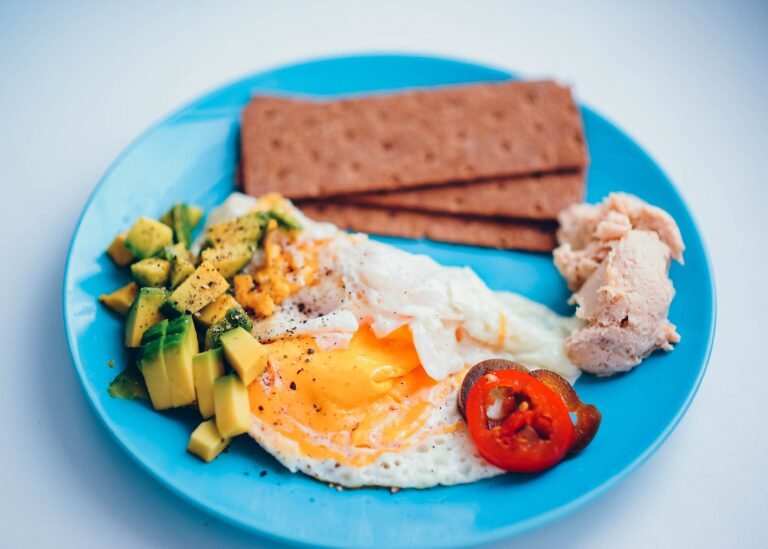
2. Prioritize Whole, Simple Foods
Focus on vegetables, fruits, legumes, and whole grains. These foods form the foundation of longevity diets worldwide.
You don’t need to eliminate everything else. Simply shift your plate toward more whole foods, more often.
Cooking at home also helps here. It gives you more control over ingredients and portions.
3. Protect Your Sleep
Quality sleep supports nearly every system in your body. It repairs cells, regulates hormones, and supports brain health.
Aim for consistent sleep and wake times. Create a calming wind-down routine each night.
Poor sleep accelerates aging processes throughout the body. Prioritizing it protects your long-term health significantly.
4. Invest in Real Relationships

Strong social connections are linked to longer lifespans. Isolation, on the other hand, carries serious health risks.
Make time for people who matter to you. Prioritize quality conversations over quick texts.
Join clubs, volunteer, or simply schedule regular time with friends. These relationships genuinely protect your health.
5. Manage Stress Intentionally
Chronic stress accelerates aging at a cellular level. Managing it well protects your body long-term.
Simple daily practices help here. Try deep breathing, short walks, or quiet reflection time.
You don’t need to eliminate stress completely. You just need reliable ways to release it regularly.
6. Keep a Sense of Purpose
People with a clear sense of purpose often live longer. Purpose gives daily life meaning and direction.
This doesn’t require a grand mission. Small, personal reasons to get up each day count too.
Volunteering, mentoring, or pursuing a hobby can all provide this sense of purpose.
7. Limit Ultra-Processed Foods

Highly processed foods are linked to numerous chronic health issues. Reducing them supports long-term health significantly.
This doesn’t mean perfection. It simply means making whole foods your default choice most of the time.
Small swaps make a big difference. Try replacing sugary snacks with fruit or nuts, for example.
8. Get Regular Health Checkups
Preventive care catches problems early. Early detection often means simpler, more effective treatment.
Don’t wait for symptoms to appear. Schedule regular checkups, screenings, and bloodwork as recommended.
This proactive approach is central to the longevity mindset. Prevention truly beats treatment here.
The Mental Shift That Makes This Work

Adopting a longevity mindset isn’t just about habits. It also requires a mental shift.
Instead of asking, “What do I want right now?” try asking, “What will my future self thank me for?” This small reframe changes everything.
It transforms daily decisions. Skipping a workout becomes borrowing from future energy. Eating mostly processed food becomes trading long-term health for short-term convenience.
This doesn’t mean living joylessly or restricting yourself constantly. It means making choices with awareness, not just impulse.
Balance still matters here. Occasional treats and rest days remain part of a sustainable approach. Perfection isn’t the goal. Consistency is.
Why Small Habits Beat Big Overhauls
Dramatic lifestyle changes rarely stick. Motivation fades. Life gets busy. Old patterns creep back in.
Small habits work differently. They require minimal willpower. They fit into your existing life instead of demanding you rebuild it entirely.
Over years, these small habits compound. A daily walk becomes thousands of miles over a decade. Consistent good sleep repairs your body night after night, for years.
This compounding effect is the real secret behind longevity. It’s not dramatic. It’s consistent.
Final Thoughts: Longevity Starts With Today’s Choices

The longevity mindset isn’t about fearing aging or chasing an impossible standard. It’s about respecting your future self enough to make thoughtful choices today.
You don’t need perfect genetics or unlimited money. You need consistent movement, real food, quality sleep, strong relationships, and a sense of purpose.
Start small. Pick one habit from this list. Build it into your daily routine before adding another.
Years from now, these small, unglamorous choices might be exactly what allows you to live longer, and live better while doing it.









+ There are no comments
Add yours