






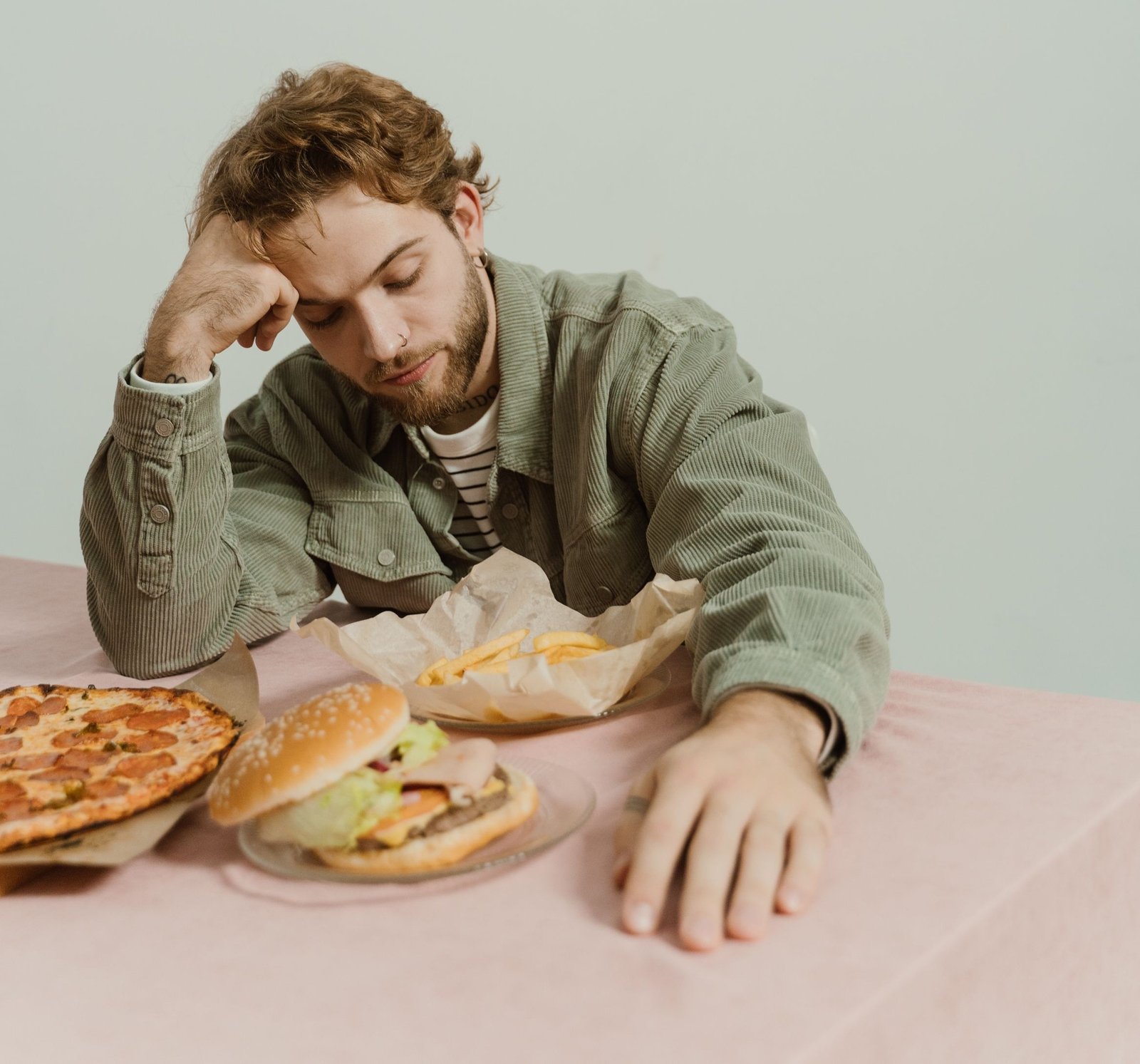
You’ve had one of those days. Nothing catastrophic happened — just an overflowing inbox, a tense conversation, a deadline that snuck up on you. And somehow, by 4 p.m., you’re standing in front of the pantry, eyes locked on a bag of cookies you weren’t even thinking about this morning.
It’s not a willpower failure. It’s not “just being emotional.” What’s happening in that moment is a fairly specific chain of biology, and once you understand it, stress eating stops feeling like a personal flaw and starts looking like exactly what it is: a predictable response your body was designed to have.
It Starts With Cortisol, Not the Cookies
When your brain perceives stress — whether it’s a real threat or just a looming email — it triggers a chain reaction that ends with your adrenal glands releasing cortisol, often called the body’s primary stress hormone. Cortisol’s job, in evolutionary terms, is to prepare your body for a crisis: it raises blood sugar, sharpens short-term alertness, and temporarily suppresses functions your body considers non-essential during a threat, like digestion and reproduction.
The problem is that modern stress rarely resembles the kind of danger this system evolved for. Your body doesn’t distinguish between “a tiger is chasing me” and “my boss just sent a passive-aggressive email.” Cortisol gets released either way, and one of its lesser-known effects is that it directly increases appetite — specifically, appetite for foods high in sugar and fat.
Research on cortisol and eating behavior has consistently found that elevated cortisol levels are associated with increased cravings for calorie-dense, highly palatable foods. This isn’t a coincidence or a side effect your body forgot to fix — it’s the system working as intended. High-sugar, high-fat food is the fastest way to get a large amount of usable energy into your bloodstream, which is exactly what your body believes it needs when it thinks you’re facing a threat.
Why Sugar Specifically, Not Broccoli
It would be convenient if stress made us crave celery. It doesn’t, and there’s a clear biological reason why.
Sugar has a uniquely fast effect on the brain’s reward system. Eating something sweet triggers a release of dopamine, the neurotransmitter associated with pleasure and motivation, in the brain’s reward pathway. This isn’t unique to stress — it’s the same pathway involved in most rewarding experiences — but under stress, this pathway becomes more reactive, not less.
Some research suggests chronic stress can actually blunt the brain’s baseline dopamine response over time, meaning stressed brains may need a bigger hit to feel the same reward. Sugar delivers that hit quickly and reliably, which is part of why a stressful afternoon so often ends with a craving for something sweet rather than something savory, salty, or neutral.
There’s also a simpler, more immediate piece of the puzzle: sugar causes a fast spike in blood glucose, which delivers a quick sense of energy and relief. When cortisol has your body braced for a crisis, that fast energy hit feels, on some level, like exactly what you asked for.
It’s worth noting this isn’t a permanent, unchangeable wiring either. The intensity of sugar cravings under stress can vary quite a bit from person to person, and even day to day in the same person, depending on factors like sleep quality, blood sugar stability earlier in the day, and how depleted your mental resources already are before the stressful moment hits. Someone who’s well-rested and has eaten balanced meals throughout the day often experiences a milder version of this pull than someone running on four hours of sleep and a skipped lunch — the underlying cortisol response is similar, but the body’s ability to buffer it is not.
The Emotional Layer: Comfort Food Is Comfort for a Reason
Biology explains the craving, but it doesn’t fully explain why a specific cookie, a specific candy bar, or “the thing your mom used to make” often feels most appealing during stress. That part is learned, not hormonal.
Food becomes associated with emotional states through repeated experience, starting early in life. If sweets were used as a reward, a celebration, or a source of comfort during childhood, your brain built a real, physical association between that food and emotional relief — the same way a certain song can instantly bring back a memory. Under stress, when your brain is looking for anything that reliably produces relief, it reaches for those learned associations first.
This is why stress eating so often feels specific rather than random. It’s rarely “I want sugar” in the abstract — it’s usually a particular food tied to a particular kind of comfort, and that association was built long before the stressful afternoon that triggered it.
This also explains why the same craving can show up so differently across people, and even across cultures. What one person reaches for when stressed might be candy, while another reaches for bread, chips, or a specific dish from childhood — the common thread isn’t the exact food, it’s the emotional shortcut that food represents. That’s part of why generic advice like “just eat something healthy instead” often falls flat in the moment: it addresses the sugar, but not the actual thing the brain is asking for, which is relief and familiarity.
Why Willpower Alone Doesn’t Fix It
If stress eating were purely a discipline issue, telling yourself “just don’t eat the cookie” would work. For most people, under real stress, it doesn’t — and there’s a reason rooted in how the brain allocates resources under pressure.
The prefrontal cortex, the brain region responsible for planning, impulse control, and weighing long-term consequences, becomes less active under acute stress, while more primitive, reward-driven brain regions become more dominant. In practical terms, stress temporarily shifts your brain away from long-term thinking and toward short-term relief-seeking. You’re not weaker in that moment — your brain has genuinely, temporarily deprioritized the part of itself that’s good at saying no.
This is also why stress eating tends to happen in the evening more than the morning for a lot of people. Willpower and self-regulation draw on limited mental resources that get used up over the course of a day — a phenomenon researchers sometimes describe as ego depletion. By late afternoon or evening, after a full day of decisions, stress, and self-control, there’s simply less regulatory capacity left to override a craving.
What Actually Helps (Beyond “Just Don’t”)
None of this means stress eating is unbeatable — it means the fixes that actually work target the stress response itself, not just the food choice in the moment.
Address the cortisol, not just the craving. Since the craving is downstream of a stress hormone, activities that lower cortisol — a short walk, slow breathing, even five minutes away from a screen — often reduce the craving’s intensity before you get anywhere near the pantry.
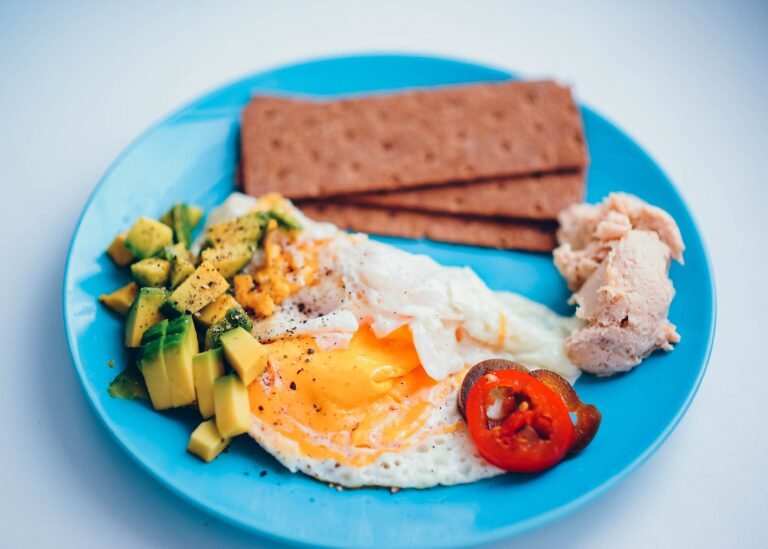
Keep genuinely satisfying alternatives within reach. Because part of the craving is about fast energy and reward, pairing something sweet with protein or fiber — fruit with nut butter, yogurt with berries — can satisfy the same biological pull without the same blood sugar spike and crash.
Notice the pattern instead of fighting the moment. Stress eating tends to follow predictable triggers — a certain time of day, a certain type of meeting, a certain feeling of overwhelm. Noticing the pattern in advance gives you a chance to intervene earlier, when your prefrontal cortex still has more say in the decision, rather than in the moment the craving has already peaked.
Don’t treat one instance as a failure. Ironically, guilt and self-criticism after stress eating are themselves stressors, which can trigger the exact same cortisol response that caused the craving in the first place — creating a loop where stress eating leads to guilt, which leads to more stress, which leads to more eating.
Build in small stress checkpoints during the day, not just at the moment of craving. Waiting until 4 p.m. to deal with a stress response that’s been building since 9 a.m. is a much harder fight than addressing it in smaller doses throughout the day. Even a two-minute pause between meetings — stepping outside, stretching, or just closing your eyes and breathing slowly — can prevent cortisol from stacking up to the point where a craving feels unmanageable by late afternoon.
Frequently Asked Questions
Is stress eating a real, documented phenomenon or just an excuse? It’s well documented. Multiple studies link elevated cortisol to increased cravings for high-sugar, high-fat foods, and the effect has been observed across a range of stress types, from work pressure to major life events.
Why do I crave sugar specifically and not other foods when stressed? Sugar triggers a fast dopamine response in the brain’s reward system and causes a quick rise in blood glucose, both of which feel like immediate relief when your body is in a stress-response state. Learned emotional associations with specific “comfort foods” add another layer on top of this.
Does stress eating affect everyone the same way? No. Some people lose their appetite under stress rather than gaining cravings — this depends on individual differences in how cortisol affects each person, along with psychological and learned factors. Both responses are normal.
Can stress eating lead to real weight gain over time? It can, particularly with chronic, ongoing stress rather than occasional stressful days. Long-term elevated cortisol is associated with increased fat storage, particularly around the abdomen, on top of the increased calorie intake from repeated stress-driven cravings.
My Thoughts:-
Craving sugar when you’re stressed isn’t a character flaw — it’s a fairly precise biological sequence: cortisol rises, appetite for fast-energy food increases, the brain’s reward system responds strongly to sugar specifically, and self-control resources are temporarily reduced, all while learned emotional associations point you toward specific comfort foods. Understanding that sequence doesn’t make the craving disappear, but it does change what you’re actually up against — not a lack of willpower, but a stress response doing exactly what it evolved to do, aimed at a threat that usually isn’t a threat at all.
The next time a stressful afternoon sends you straight to the cookies, it might help to remember: your body isn’t misbehaving. It’s just using an old solution for a very new kind of problem.
This article is based on general research into stress physiology and eating behavior and is not medical advice. If you’re concerned about disordered eating patterns, a doctor or registered dietitian can help you build a plan that works for you.







+ There are no comments
Add yours