







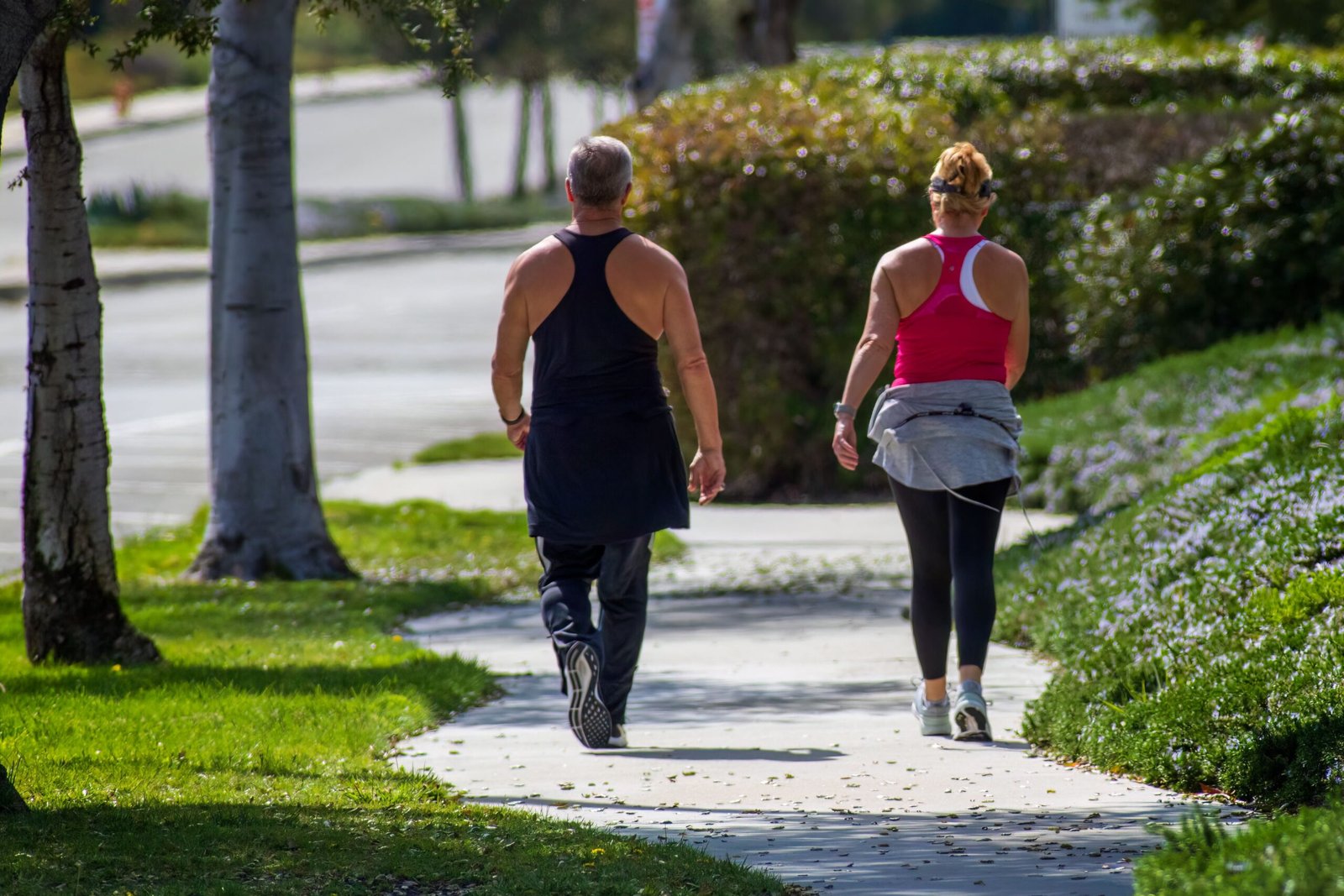
It started with a doctor’s appointment I almost canceled.
My blood pressure was “a little higher than I’d like,” my doctor said, in that gentle-but-not-really-gentle way doctors have. My cholesterol wasn’t terrible, but it wasn’t great either. And when she asked how much I moved during the day, I had to think about it. Really think about it.
The honest answer? Barely at all. I work from home. My “commute” is fifteen feet to my desk. On a bad week, my step count looked more like a rounding error than a health metric.
She didn’t prescribe a gym membership or a marathon training plan. She said something so simple I almost didn’t take it seriously: “Just start walking. Thirty minutes. Every morning. See what happens.”
So I did. Every single morning for 30 days, rain or shine, tired or not, I laced up my shoes and walked before I let myself touch my phone or open my laptop. No fitness tracker obsession, no fancy routine — just walking.
What happened over that month surprised me more than I expected. Some changes were things I’d read about. Others genuinely caught me off guard. If you’ve been wondering whether something as basic as walking is actually worth your time, here’s exactly what a month of it does to your body — and why doctors have been quietly recommending it for years.
Why Walking Is Having a Moment in 2026
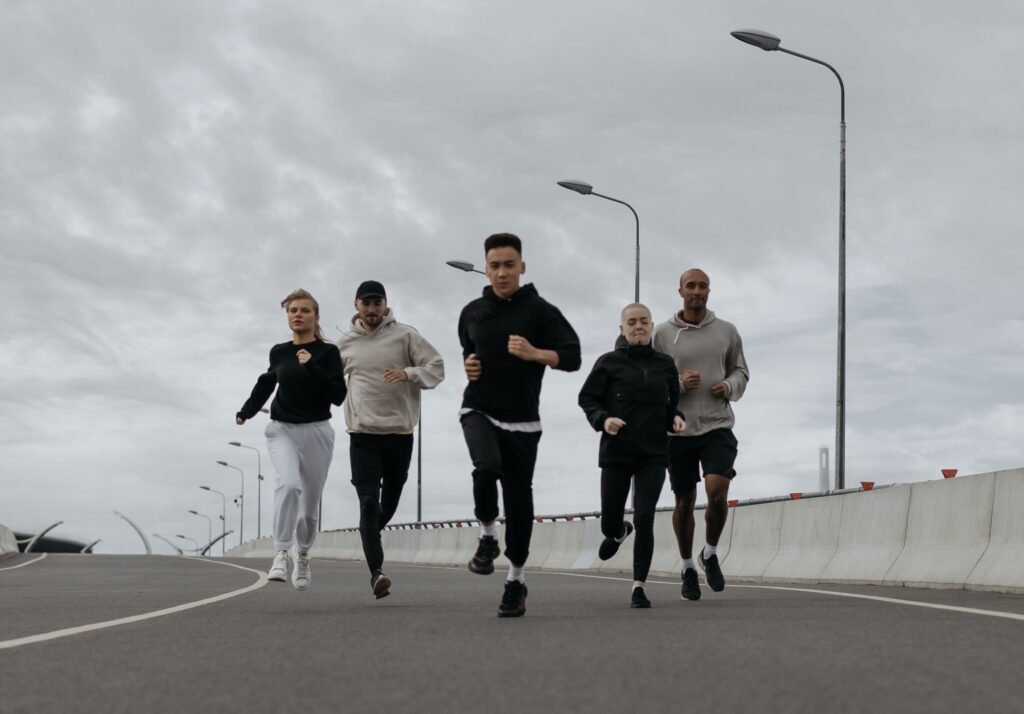
Walking isn’t new, but it’s having a real cultural comeback. Scroll through TikTok or Instagram and you’ll see “hot girl walks,” run clubs popping up in every city, and people ditching high-intensity workouts for something gentler and more sustainable. After years of hustle-culture fitness — HIIT classes, ultra-marathons, six-day-a-week gym splits — a lot of people are quietly burnt out.
Walking is the opposite of burnout. It’s low-pressure, free, and doesn’t require recovery days. That’s probably why so many people are rediscovering it, not as a “lesser” workout, but as the foundation everything else sits on top of.
Week One: The Uncomfortable Adjustment:-
The first few days were not glamorous. I woke up ten minutes earlier than usual, which felt like a personal insult before 7 a.m. My legs weren’t sore exactly, but there was a stiffness in my hips and lower back that told me my body had gotten used to sitting far more than it should have.
The biggest surprise in week one wasn’t physical — it was mental. Walking without my phone in my hand felt strange, almost itchy, like I was missing something. I hadn’t realized how much I used scrolling as a way to avoid being alone with my own thoughts.
By day five or six, something shifted. I started noticing the neighborhood — which houses had dogs that barked at the same time every morning, which trees were losing their leaves first. It sounds small, but it was the first sign that this walk was doing more than just moving my legs.
Week Two: The Energy Shift Nobody Warns You About:-

This is where things started to feel different in a way I didn’t expect. Around day 10, my afternoon energy crashes — the ones that used to send me straight to a second (or third) cup of coffee — started showing up later, and hitting less hard.
Research backs this up. Studies on moderate aerobic exercise, including regular walking, show it improves circulation and oxygen delivery to muscles and the brain, which directly affects how alert and energized you feel throughout the day. I wasn’t imagining it. My body was actually functioning better.
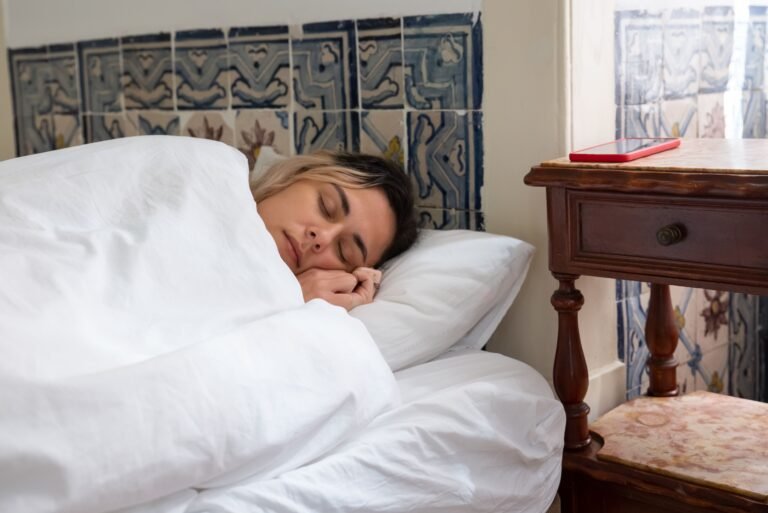
Sleep also started to shift. I wasn’t falling asleep dramatically faster, but I was waking up less groggy. Morning light exposure — which you get automatically when you walk outside early — plays a major role in resetting your circadian rhythm, the internal clock that controls when you feel sleepy and when you feel alert. Getting sunlight in your eyes within an hour of waking up is one of the simplest, most science-backed ways to improve sleep quality, and I was getting it for free every single day.
Week Three: The Body Starts to Talk Back:-
By the third week, I noticed physical changes I genuinely didn’t expect from something as low-key as walking.
My resting heart rate dropped slightly. My pants fit a little differently — not dramatically, but enough that I noticed when I got dressed. This tracks with what most exercise physiologists will tell you: a consistent 30-minute walk burns roughly 150–200 calories depending on pace and body weight, and over 30 days that adds up to a meaningful calorie deficit, especially when nothing else in your diet changes.
But it wasn’t just about weight. My digestion felt more regular. Walking stimulates the digestive system by increasing blood flow to the gut and helping food move through the intestines more efficiently — something a lot of people don’t realize until they experience it firsthand.
My mood was noticeably more stable, too. I wasn’t as reactive to small annoyances. This lines up with research showing that moderate exercise increases the release of endorphins and reduces cortisol, the body’s primary stress hormone. After weeks of stress-related conversations dominating wellness content — cortisol face, cortisol detox, stress-belly — it was strange to feel that effect firsthand rather than just read about it online.
Week Four: The Habit Becomes Identity:-
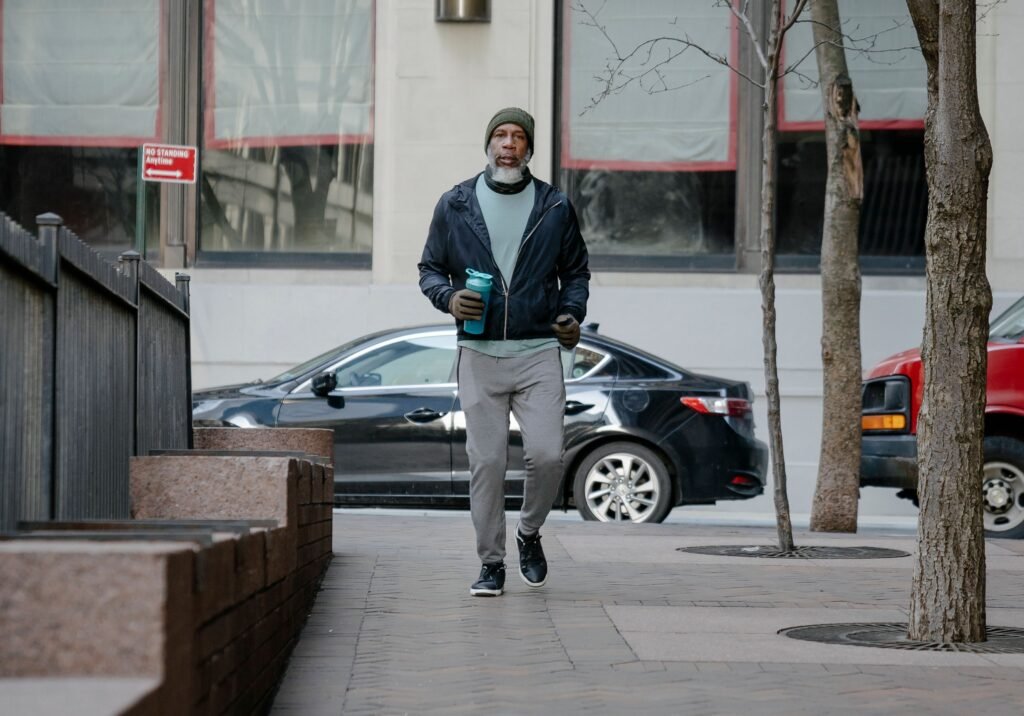
By the final week, the walk stopped being something I “had to do” and became something I genuinely looked forward to. That’s the part nobody really tells you about building a new habit — the moment it stops requiring willpower and starts requiring almost nothing at all.
My blood pressure, when I checked it at home, had come down from where it started. Not dramatically, but enough that it wasn’t just wishful thinking. My focus during work hours improved too. I found myself procrastinating less in the mornings, probably because I’d already accomplished something before 8 a.m., which set a different tone for the rest of the day.
There’s also a quieter, harder-to-measure change: confidence. Sticking to something small and unglamorous for 30 days straight built a kind of self-trust that bigger, more dramatic goals never quite gave me. I didn’t need extreme discipline. I just needed to show up.
What the Research Actually Says:-
None of this is just anecdotal. Multiple large-scale studies have linked regular walking to:
- Lower risk of heart disease — Walking briskly for at least 150 minutes a week (which 30 minutes daily easily covers) is associated with significantly reduced cardiovascular risk.
- Better blood sugar regulation — Even a short walk after meals has been shown to reduce blood sugar spikes, which matters for long-term metabolic health.
- Improved mental health — Walking outdoors, specifically, has been linked to lower rates of anxiety and depression compared to indoor exercise alone.
- Longer lifespan — Some population studies suggest that people who walk regularly live longer than those who don’t, independent of other lifestyle factors.
The pattern across almost all of this research is the same: you don’t need extreme workouts to get real benefits. Consistency at a moderate intensity does more for your long-term health than short bursts of intense effort that you can’t sustain.
The Surprising Part:-
Here’s what actually surprised me the most: I expected the biggest changes to be physical — weight, heart rate, that kind of thing. Instead, the biggest shift was mental. The walk became a kind of moving meditation, a half hour where I wasn’t managing anyone else’s needs, wasn’t answering messages, wasn’t consuming content. Just moving, breathing, and thinking — or sometimes, blissfully, not thinking at all.
If you’re on the fence about starting something like this, you don’t need new shoes, a fitness app, or a perfect routine. You need thirty minutes and a door.
How to Start Your Own 30-Day Walking Challenge:-
If this has convinced you to try it yourself, here’s what actually worked for me:
- Walk first thing, before decisions pile up. The longer you wait, the easier it is to talk yourself out of it.
- Leave your phone behind, or at least silence it. The mental reset is a huge part of the benefit.
- Don’t worry about pace. A comfortable, sustainable pace is more valuable long-term than pushing yourself to speed-walk.
- Track it loosely, not obsessively. A simple calendar checkmark works better than an app full of metrics that can make the habit feel like a chore.
- Give it the full 30 days before judging results. Week one will feel like nothing. Week three is usually where it clicks.
Final Thoughts:-
I didn’t expect a habit this simple to change so much — my energy, my sleep, my mood, and honestly, how I feel about myself. There’s something almost rebellious about choosing something slow and unglamorous in a wellness culture obsessed with optimization, biohacking, and extreme routines. Thirty minutes. Thirty days. That’s all it took to notice a real difference. The only real question left is whether you’re willing to find out what it does for you.







+ There are no comments
Add yours