






Have you ever felt “butterflies” before a big presentation? Or lost your appetite completely during a stressful week? That’s not just a coincidence. Your gut and your brain are in constant conversation.
For years, we treated digestion and mental health as separate systems. Doctors focused on the stomach for stomach problems. They focused on the brain for mood problems. But science now tells a different story.
Your gut and your brain are deeply connected. Researchers call this link the gut-brain connection. And it might be one of the most important discoveries in modern wellness.
What Is the Gut-Brain Connection?
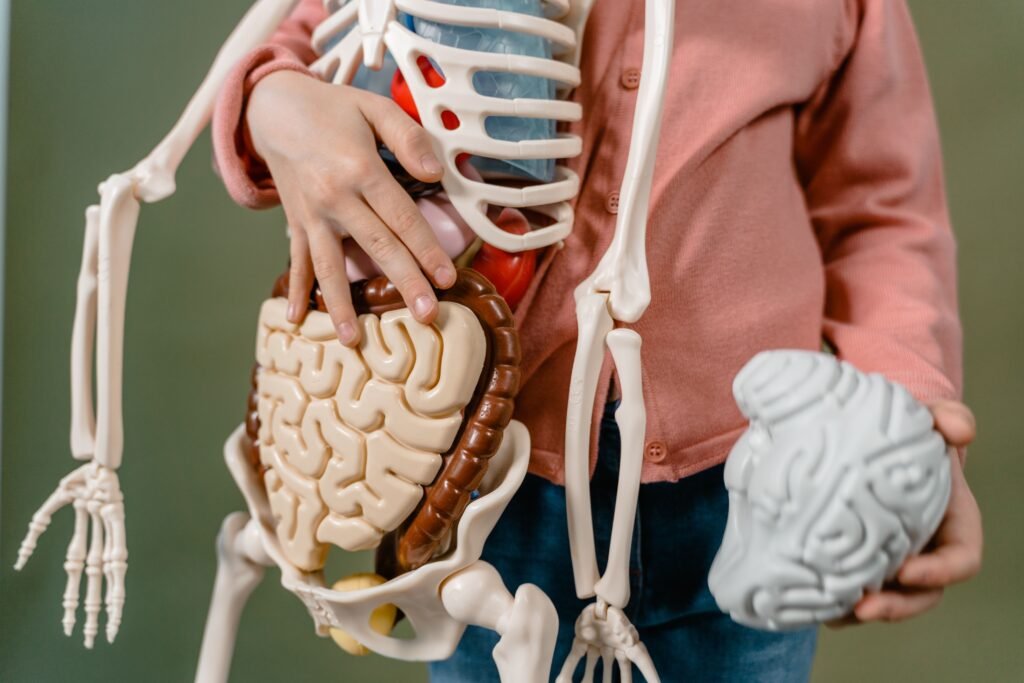
Your gut and brain communicate through a direct pathway. Scientists call it the gut-brain axis. This axis includes nerves, hormones, and immune signals.
The vagus nerve plays a huge role here. It runs from your brainstem down to your gut. Information travels both ways along this nerve.
Your gut also produces neurotransmitters. These are the same chemical messengers your brain uses. In fact, your gut produces about 90% of your body’s serotonin. Serotonin is the “feel-good” chemical linked to happiness and calm.
Your gut is sometimes called your “second brain.” It contains over 100 million nerve cells. That’s more than your spinal cord contains.
Why Your Gut Health Affects Your Mood

Trillions of bacteria live in your gut. Scientists call this community the gut microbiome. It does far more than help you digest food.
Your microbiome produces neurotransmitters. It regulates inflammation throughout your body. It even influences how your brain responds to stress.
When your gut bacteria are balanced, communication with your brain flows smoothly. But when that balance gets disrupted, problems can follow. Scientists call this disruption “dysbiosis.”
Dysbiosis has been linked to several issues. These include anxiety, depression, and brain fog. It’s also linked to fatigue and poor concentration.
This doesn’t mean gut problems always cause mental health issues. The relationship works both ways. Stress can harm your gut. And gut problems can worsen your mood. It’s a two-way street.
The Science Behind the Connection

Let’s look at how this actually works. Understanding the mechanism helps make sense of the theory.
Nerve signals travel constantly. Your vagus nerve sends signals between gut and brain every second. This happens whether you’re aware of it or not.
Bacteria produce brain chemicals. Certain gut bacteria produce GABA, dopamine, and serotonin. These chemicals directly influence your mood and stress levels.
Inflammation affects the brain. An imbalanced gut can trigger inflammation. This inflammation can reach your brain. Research links chronic inflammation to depression and anxiety.
The gut affects hormone production. Your gut helps regulate cortisol, your primary stress hormone. A healthy gut supports a balanced stress response.
Together, these mechanisms explain why gut health and mental health are so intertwined. Your stomach isn’t just a digestion machine. It’s an active participant in how you think and feel.
Signs Your Gut-Brain Axis Might Be Out of Balance

Some signs are obvious. Others are easy to miss. Here are common signals worth paying attention to:
- Frequent bloating, gas, or stomach discomfort
- Unexplained mood swings or irritability
- Brain fog or trouble concentrating
- Fatigue that doesn’t improve with rest
- Sugar or carb cravings that feel uncontrollable
- Anxiety that seems to worsen after eating certain foods
- Skin issues like acne or eczema
None of these symptoms alone confirms a gut-brain imbalance. But together, they paint a pattern worth investigating. Many people improve significantly once they address their gut health.
Practical Ways to Support Your Gut-Brain Connection
The good news? You don’t need drastic changes. Small, consistent habits can make a real difference over time.
1. Eat More Fiber-Rich Foods
Fiber feeds your good gut bacteria. Vegetables, fruits, legumes, and whole grains are excellent sources. Aim to add variety, not just quantity.
Different fibers feed different bacteria. Eating a wide range of plants supports a diverse, resilient microbiome.
2. Add Fermented Foods to Your Diet
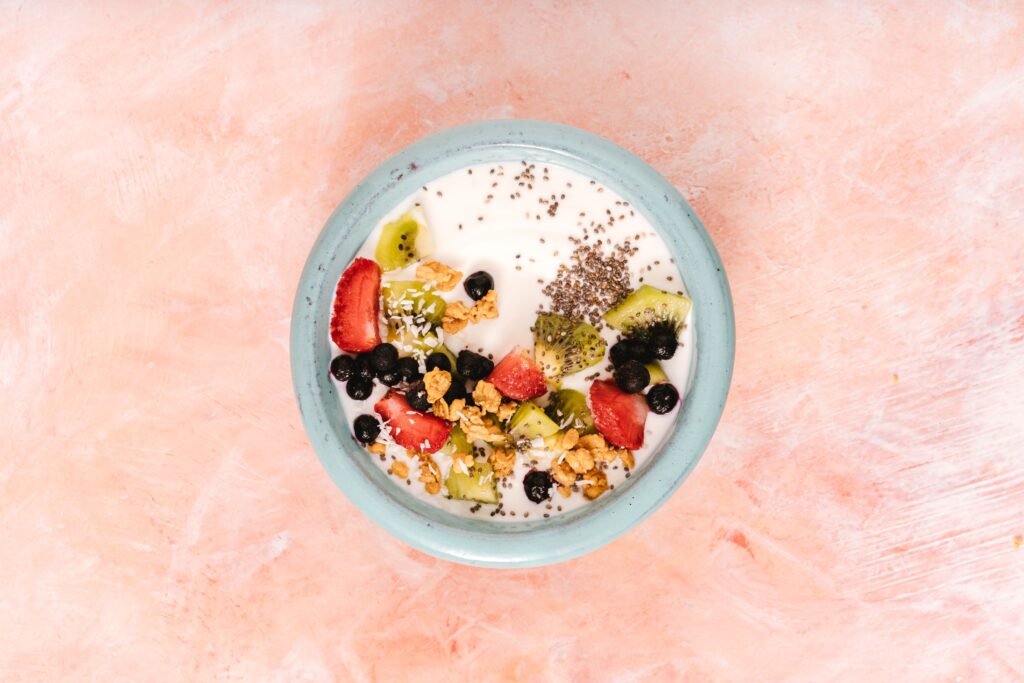
Fermented foods contain live beneficial bacteria. Yogurt, kefir, sauerkraut, and kimchi are great options. These foods introduce helpful microbes directly into your gut.
Start small if you’re new to fermented foods. Your gut needs time to adjust.
3. Reduce Ultra-Processed Foods
Highly processed foods often lack fiber. They can also disrupt your gut microbiome balance. Added sugars and artificial ingredients may feed harmful bacteria.
This doesn’t mean cutting out all treats. It simply means prioritizing whole foods most of the time.
4. Manage Stress Intentionally
Stress directly impacts your gut. Chronic stress can alter your microbiome composition. It can also weaken your gut lining over time.
Simple practices help here. Try deep breathing, short walks, or a few minutes of quiet time daily. Small stress-reduction habits protect your gut long-term.
5. Prioritize Quality Sleep

Poor sleep disrupts your gut bacteria. Studies show sleep-deprived people often have less diverse microbiomes. This creates a frustrating cycle.
Poor sleep hurts your gut. A poor gut can then affect your sleep. Breaking this cycle starts with consistent sleep habits.
6. Move Your Body Regularly
Exercise supports a healthy, diverse microbiome. You don’t need intense workouts to see benefits. Even daily walks show measurable improvements in gut health.
Movement also reduces stress. This creates a positive ripple effect throughout your gut-brain axis.
7. Stay Hydrated
Water supports healthy digestion. It helps maintain the mucosal lining of your intestines. This lining plays a key role in gut-brain communication.
Dehydration can slow digestion. Slower digestion can lead to discomfort and inflammation.
8. Consider Chewing More Slowly

Digestion actually begins in your mouth. Chewing thoroughly helps break down food properly. This reduces strain on your digestive system.
Eating slowly also improves nutrient absorption. It gives your brain time to register fullness signals too.
The Emotional Side of Gut Health

Something interesting happens once people start paying attention to their gut. They often notice improved mood within weeks. They report clearer thinking. They report fewer energy crashes.
This isn’t a coincidence. Your gut and brain never stopped talking. Most of us just weren’t listening.
This connection also explains why comfort food feels comforting. Certain foods can temporarily boost feel-good brain chemicals. But that boost is often followed by a crash. Long-term gut health requires more sustainable nourishment.
Understanding this connection can also reduce shame around mental health struggles. Anxiety and low mood aren’t always purely psychological. Sometimes, they’re rooted in something as simple as an imbalanced gut.
This doesn’t dismiss therapy or other mental health support. Rather, it adds another meaningful tool to the toolkit.
When to Seek Professional Support
Diet and lifestyle changes help many people. But they aren’t a substitute for professional care. If you’re experiencing persistent digestive issues, a doctor should evaluate them.
The same applies to ongoing anxiety or depression. Please speak with a mental health professional if you’re struggling. Gut health is one piece of a larger picture. It works best alongside proper medical and psychological support, not instead of it.
Final Thoughts: Your Gut Deserves More Attention

For too long, we treated digestion as separate from mental wellness. The gut-brain connection challenges that outdated view. Your stomach isn’t just processing food. It’s actively shaping how you feel, think, and respond to the world.
The changes needed aren’t extreme. Eating more fiber. Managing stress. Sleeping well. Moving your body daily. These simple habits support both your gut and your mind together.
Next time you feel anxious, foggy, or low on energy, consider your gut. It might be trying to tell you something. And for once, science says it’s worth listening.











+ There are no comments
Add yours